Custom Embroidery, Warehousing, and Shipping


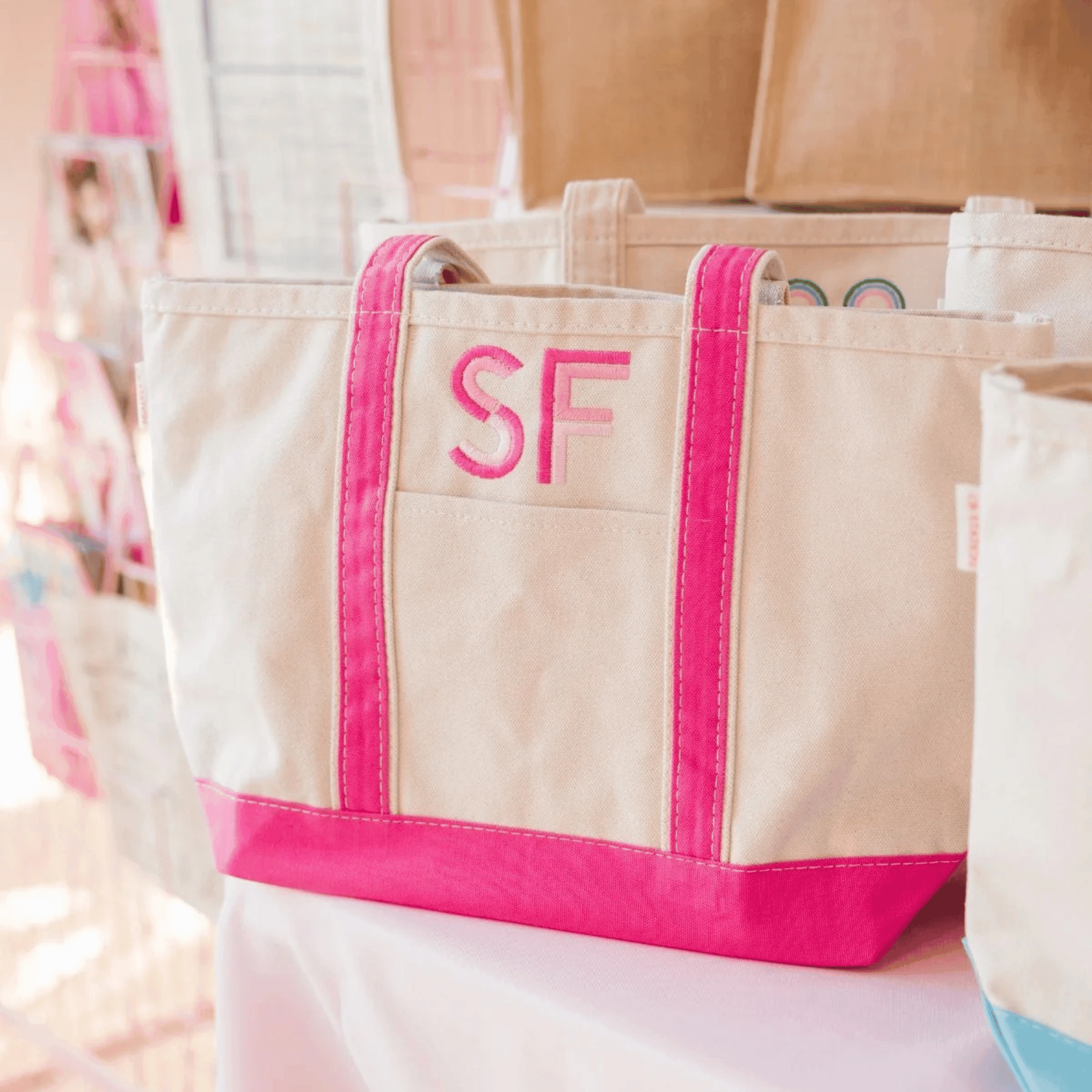
Personalization has become one of the biggest differentiators in ecommerce. Customers no longer want every product to feel the same. They want items that feel custom, thoughtful, and made specifically for them. For apparel, accessories, gifts, home goods, baby products, uniforms, promotional merchandise, and luxury items, monogramming is one of the most popular ways to create that personalized experience.
For ecommerce brands, offering monogrammed products can increase perceived value, improve customer loyalty, support higher average order values, and create a more premium buying experience. But managing monogram orders in-house can quickly become complicated. Every order may have unique initials, names, fonts, thread colors, placement instructions, and production requirements. Without the right fulfillment process, mistakes can lead to delays, returns, customer complaints, and wasted inventory.
That is where monogram fulfillment services come in.
A monogram fulfillment partner helps ecommerce brands store inventory, receive personalized orders, embroider or customize the product, quality check the finished item, pack the order, ship it to the customer, and upload tracking back to the sales channel. The right partner allows brands to offer custom products at scale without needing to invest in embroidery machines, warehouse space, fulfillment labor, software, or production management.
What Are Monogram Fulfillment Services?
Monogram fulfillment services combine ecommerce order fulfillment with custom embroidery or personalization. Instead of simply picking, packing, and shipping a standard product, the fulfillment provider also completes the monogramming step before the item leaves the warehouse.
A typical monogram fulfillment workflow includes:
- Receiving and storing blank inventory
- Connecting to the brand’s ecommerce store or marketplace
- Pulling customer orders automatically
- Reviewing personalization details, such as initials, names, font, thread color, and placement
- Embroidering or monogramming the product
- Performing quality control
- Packing the finished item
- Shipping the order to the customer
- Uploading tracking information back to the sales channel
- Updating inventory in the warehouse management system and ecommerce platform
This service is especially valuable for brands that sell products where customization is a major selling point, including apparel, bags, towels, robes, blankets, baby gifts, hats, corporate gifts, pet products, and accessories.
Why Ecommerce Brands Are Adding Monogramming
Monogramming helps brands stand out in a competitive ecommerce market. Many products are easy to copy, but a personalized product creates a stronger emotional connection with the customer. A plain tote bag may be useful, but a tote bag with a customer’s initials feels personal. A baby blanket is a gift, but a baby blanket with a name embroidered on it feels thoughtful and premium.
For ecommerce brands, monogramming can create several important advantages.
Higher Perceived Value
Customers are often willing to pay more for personalized products. A product with a custom monogram feels more premium than the same product without personalization. This allows brands to increase margins without changing the base product.
Better Giftability
Monogrammed products are popular for birthdays, weddings, holidays, baby showers, graduations, corporate gifting, and employee appreciation programs. Personalization makes the product feel more intentional and memorable.
Stronger Brand Differentiation
In many categories, ecommerce brands sell similar products. Monogramming gives brands a way to differentiate their offering and create a more unique customer experience.
Increased Customer Loyalty
When customers receive a product that feels custom-made for them, they are more likely to remember the brand, share the product, and return for future purchases.
Reduced Competition on Price
Personalized products are harder to compare directly against competitors. Instead of competing only on price, brands can compete on experience, quality, customization options, and presentation.
The Challenges of In-House Monogram Fulfillment
While monogramming can be highly valuable, it is not always easy to manage internally. Ecommerce brands often underestimate how much operational complexity personalization adds to fulfillment.
A standard fulfillment order may involve one SKU, one quantity, and one shipping label. A monogrammed order may include custom initials, font selection, thread color, placement instructions, customer notes, gift packaging, and a strict production timeline.
Common challenges include:
Order Accuracy
Every personalized order is unique. If the wrong initials, name, font, or thread color are used, the item may not be resellable. Unlike a standard product, a custom product often cannot be returned to inventory.
Production Bottlenecks
Embroidery and monogramming require equipment, trained operators, digitized artwork, thread management, hooping, trimming, finishing, and inspection. If the workflow is not organized, orders can pile up quickly.
Inventory Management
Brands need to track both blank inventory and completed personalized orders. Inventory must be deducted correctly after the item is customized and shipped.
Labor Requirements
Monogramming requires more than basic warehouse labor. It requires trained staff who understand embroidery machines, fabric handling, placement, thread tension, and quality standards.
Customer Expectations
Customers expect personalized products to be accurate and delivered quickly. A slow or inconsistent process can hurt the customer experience.
Returns and Replacements
Because customized products are often final sale, brands need a strong quality control process before shipping. Preventing errors is much more cost-effective than correcting them later.
How Monogram Fulfillment Works
A professional monogram fulfillment operation is built around a clear workflow. Each step must be organized so personalization details move accurately from the ecommerce order to production and fulfillment.
1. Inventory Receiving
The brand sends blank products to the fulfillment center. These may include garments, bags, towels, blankets, hats, robes, or other customizable items. The fulfillment provider receives the inventory, counts it, inspects it, and stores it by SKU.
Proper receiving is important because customization depends on accurate inventory. If blank inventory is not organized correctly, production delays and shipping errors can occur.
2. Ecommerce Store Integration
The fulfillment provider connects to the brand’s ecommerce platform, such as Shopify, Amazon, TikTok Shop, WooCommerce, BigCommerce, Walmart Marketplace, or another sales channel. Orders are pulled into the warehouse management system or order management system automatically.
For monogram orders, the integration must capture personalization details clearly. These details may include:
- Initials
- Full names
- Monogram style
- Font
- Thread color
- Placement location
- Product color
- Gift note
- Special instructions
The more clearly order data is captured, the easier it is to produce accurate custom products.
3. Order Review and Production Routing
Once an order is received, it is routed to the customization workflow. The team confirms that the product is available, the personalization information is complete, and the order is ready for production.
If a brand offers multiple customization options, the fulfillment process should be organized by product type, thread color, machine setup, and order priority. This helps reduce machine downtime and improve production speed.
4. Monogramming or Embroidery
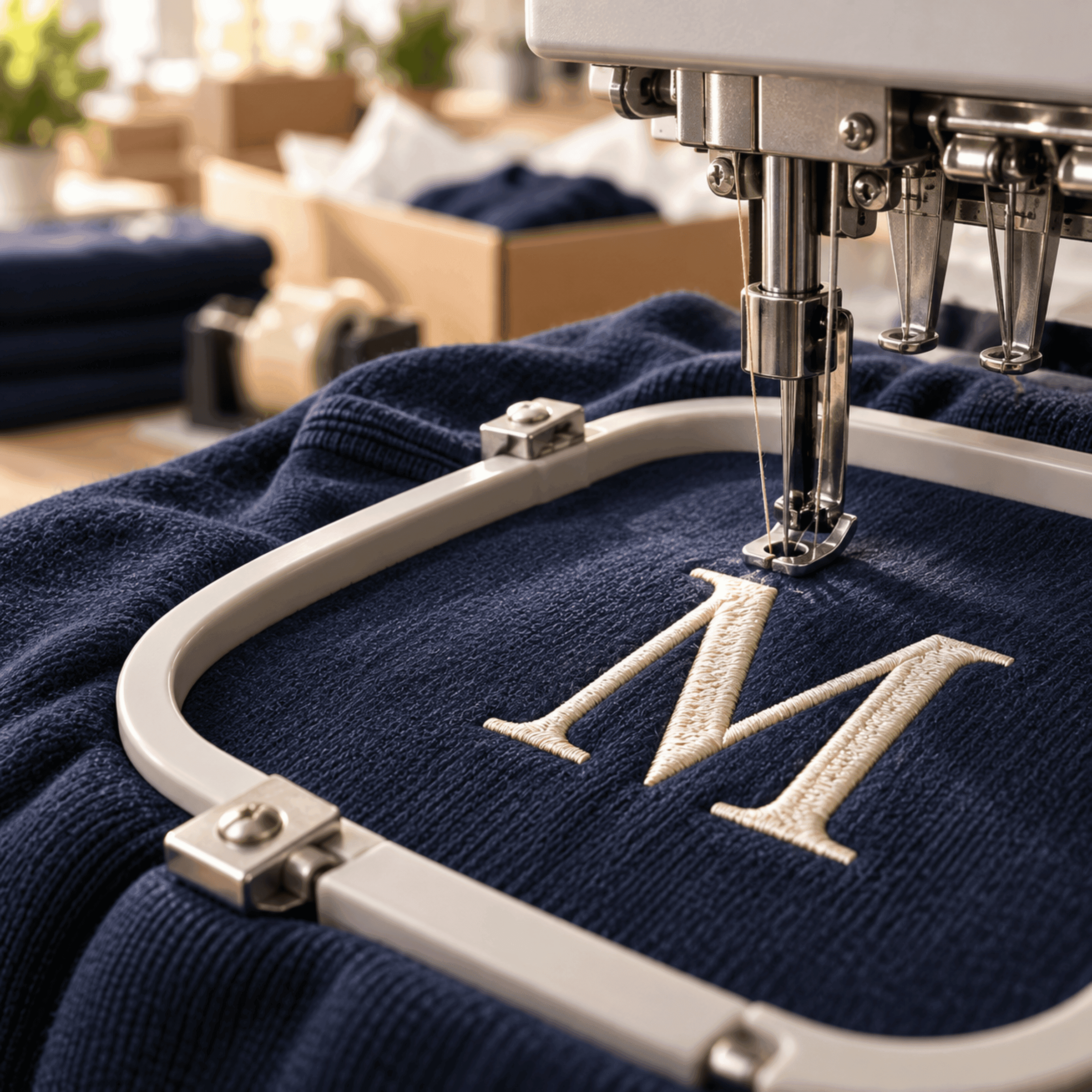
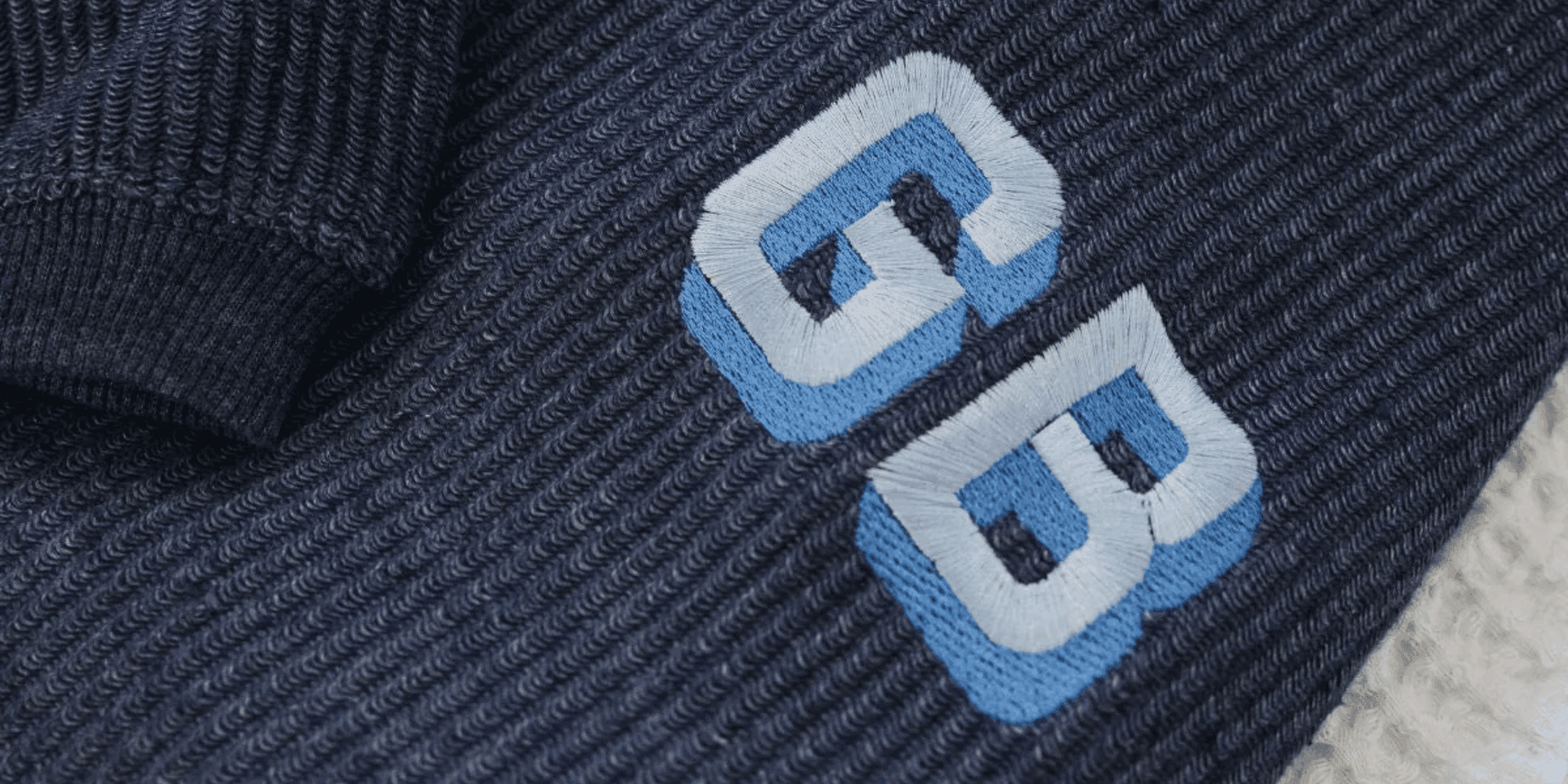
The product is prepared for embroidery. This may include hooping the item, selecting the right thread, loading the correct font or design, positioning the monogram, and running the embroidery machine.
Depending on the product, monogramming may be done on:
- Left chest
- Sleeve
- Hat front
- Bag panel
- Towel corner
- Blanket corner
- Robe chest
- Pouch center
- Accessory tab
Placement consistency is critical. Even if the monogram text is correct, poor placement can make the finished product look unprofessional.
5. Quality Control
Quality control is one of the most important steps in monogram fulfillment. Each finished item should be checked before it is packed and shipped.
A strong QC process may include checking:
- Correct initials or name
- Correct spelling
- Correct font
- Correct thread color
- Correct placement
- Stitch quality
- Loose threads
- Fabric damage
- Product color and size
- Overall presentation
Because custom products are difficult to resell, quality control protects both the brand and the customer experience.
6. Packing and Presentation
After the item passes QC, it is packed for shipment. Depending on the brand, this may include standard packaging, branded packaging, tissue paper, poly bags, boxes, gift notes, inserts, stickers, or other presentation materials.
For personalized products, presentation matters. Customers often buy monogrammed products as gifts, so the unboxing experience can influence reviews, referrals, and repeat purchases.
7. Shipping and Tracking
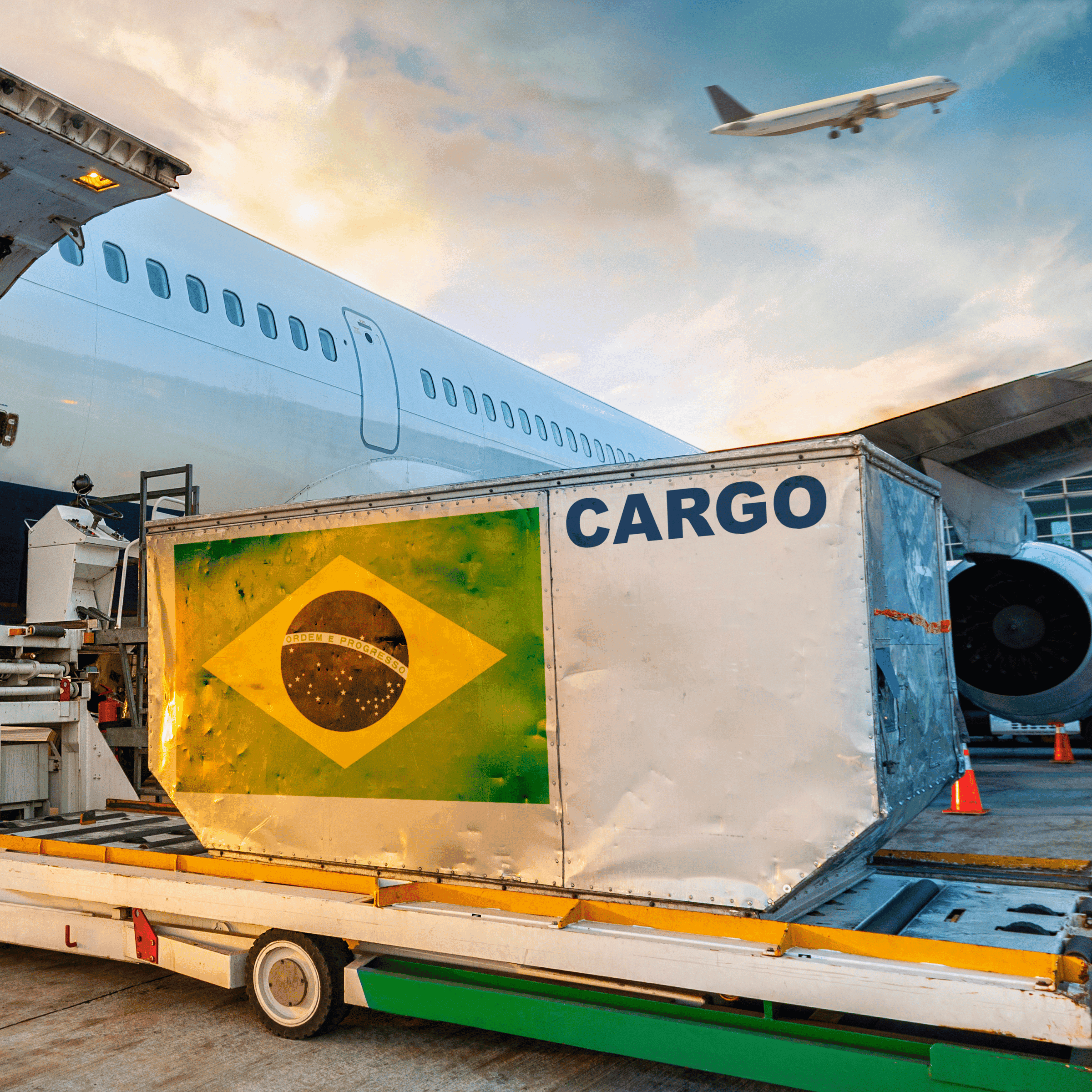
Once packed, the order is shipped using the selected carrier and service level. Tracking information is uploaded back to the ecommerce platform so the customer can follow the shipment.
For brands selling through marketplaces, accurate tracking upload is especially important for maintaining seller performance metrics.
8. Inventory Updates
After the order ships, inventory should be deducted from the warehouse management system and the connected sales channel. This prevents overselling and gives the brand real-time visibility into stock levels.
Products That Work Well for Monogram Fulfillment
Many ecommerce products can be monogrammed, but some categories are especially strong for personalization.
Apparel
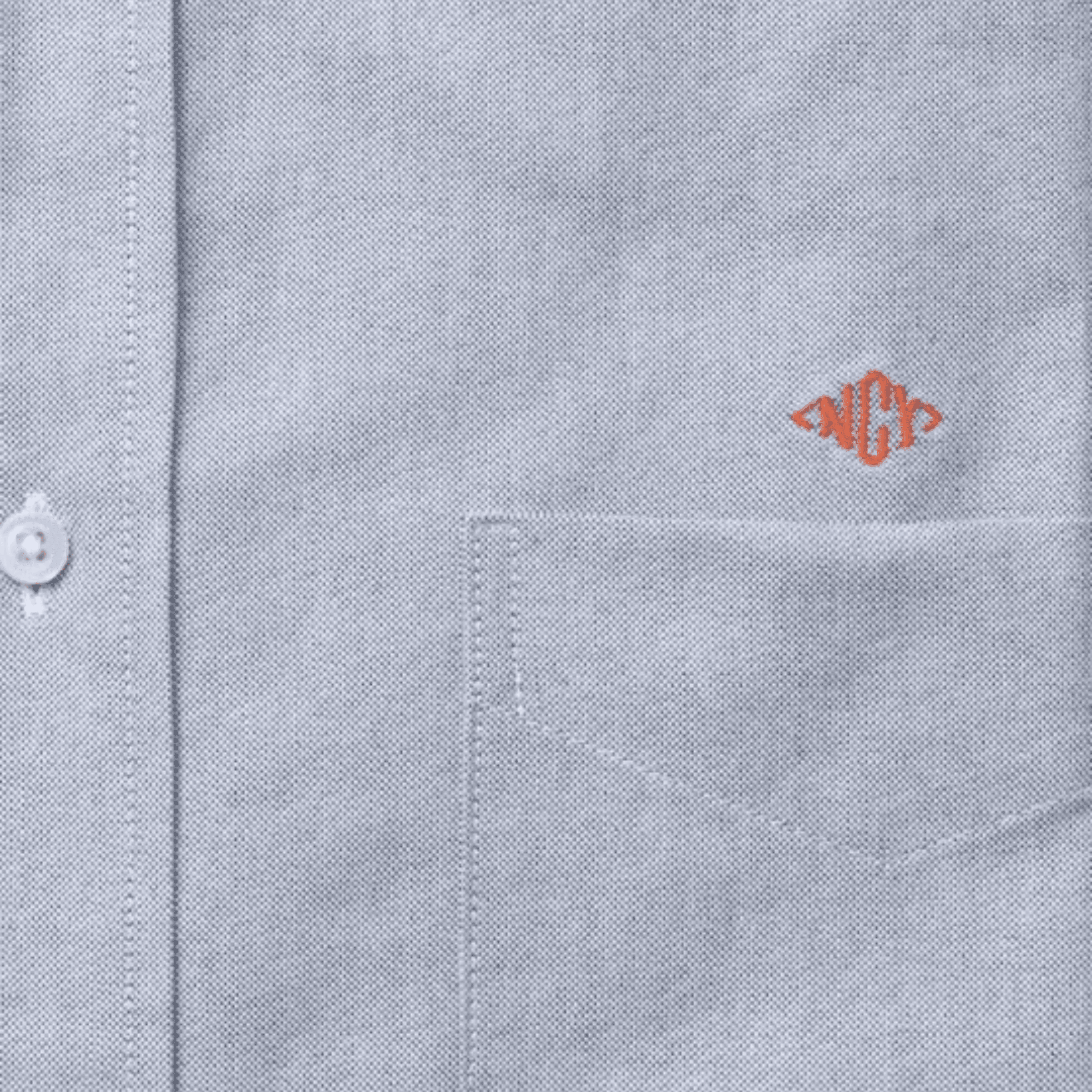
Apparel is one of the most common categories for embroidery and monogramming. Popular items include sweatshirts, polos, jackets, button-down shirts, robes, uniforms, children’s clothing, and team apparel.
Bags and Accessories
Tote bags, cosmetic bags, travel pouches, backpacks, duffel bags, handbags, and laptop sleeves are excellent candidates for monogramming. These products are often purchased as gifts and can support premium pricing.
Towels and Robes
Bath towels, beach towels, hand towels, robes, and spa products are classic monogrammed items. They are popular for weddings, hotels, resorts, bridal parties, and home goods brands.
Baby and Kids Products
Baby blankets, bibs, onesies, backpacks, lunch bags, and nursery items are highly giftable and frequently personalized with names or initials.
Hats and Headwear
Caps, beanies, visors, and other headwear can be embroidered with initials, names, logos, or short text. Hat customization requires careful placement and machine setup.
Corporate Gifts
Corporate gifting programs often use monogramming to personalize products for employees, clients, event attendees, or VIP customers. Examples include jackets, bags, notebooks, pouches, towels, blankets, and apparel.
Pet Products
Pet bandanas, blankets, beds, collars, and accessories can be personalized with names or initials. This is a growing niche for ecommerce brands focused on pet owners.

Monogram Fulfillment for Shopify Brands
Shopify is one of the most popular platforms for ecommerce brands offering personalized products. A Shopify store can collect customization details through product options, custom fields, apps, or order notes.
For Shopify monogram fulfillment to work smoothly, the fulfillment partner needs access to clear order data. Each order should show the product SKU, size, color, personalization text, font, thread color, placement, and any special instructions.
A strong Shopify monogram fulfillment process helps brands:
- Pull orders automatically
- Reduce manual data entry
- Send personalization details to production
- Track blank inventory
- Ship completed orders
- Upload tracking back to Shopify
- Keep customers informed
For growing Shopify brands, outsourcing monogram fulfillment can make it possible to offer personalization without building an internal warehouse and embroidery department.
Monogram Fulfillment for Amazon, TikTok Shop, and Marketplaces
Ecommerce personalization is not limited to Shopify. Brands may also sell customized or embroidered products through Amazon, TikTok Shop, Etsy, Walmart Marketplace, Faire, and other channels.
Marketplace fulfillment requires extra attention because seller performance metrics often depend on shipping speed, tracking accuracy, and order defect rates. If a personalized order ships late or incorrectly, it can hurt account health.
A monogram fulfillment provider can help marketplace brands manage:
- Multi-channel order imports
- Marketplace-specific shipping deadlines
- Tracking upload
- Inventory sync
- Custom order workflows
- Quality control
- Returns handling policies
For brands selling on multiple channels, a centralized monogram fulfillment operation can help keep orders organized and reduce the risk of errors.
Monogram Fulfillment vs. Standard Fulfillment
Standard ecommerce fulfillment focuses on storing products, picking orders, packing boxes, and shipping to customers. Monogram fulfillment includes all of those steps, but adds a production layer before shipping.
The key difference is that each order may require customization before it can be fulfilled.
In standard fulfillment, the product is already finished when it arrives at the warehouse. In monogram fulfillment, the product becomes finished after the customer places the order.
This makes the fulfillment process more complex. It also makes the service more valuable. A strong provider must understand both warehouse operations and custom production.
Important Features to Look for in a Monogram Fulfillment Partner
Choosing the right monogram fulfillment company is important. Not every 3PL is equipped to handle custom embroidery, and not every embroidery shop is equipped to manage ecommerce fulfillment.
The best partner should have experience with both.
Ecommerce Integrations
Your provider should be able to connect with your ecommerce platforms and automatically pull orders. Manual spreadsheets may work for very low volume, but they become risky as order volume grows.
Warehouse Management System
A reliable warehouse management system helps track inventory, order status, SKU counts, and shipping activity. This is especially important for brands with many product variations.
Embroidery and Monogramming Capabilities
The provider should have trained operators, embroidery equipment, thread options, font capabilities, placement standards, and a repeatable production process.
Quality Control Process
Custom products require a strong QC process. Ask how the provider checks spelling, initials, placement, thread color, stitch quality, and product condition before shipping.
Scalability
Your provider should be able to support normal daily order volume as well as seasonal spikes. This is especially important around holidays, gifting seasons, product launches, and promotional campaigns.
Fast Turnaround Times
Customers expect personalized orders to ship quickly. A good partner should have a clear production and fulfillment timeline.
Multi-Channel Support
If you sell on multiple platforms, your fulfillment partner should be able to manage orders from all channels in one workflow.
Branded Packaging Options
Personalized products often benefit from a premium unboxing experience. Look for a provider that can support custom packaging, inserts, gift notes, stickers, and special presentation requirements.
Communication and Visibility
Brands need visibility into inventory, order status, exceptions, and shipping performance. Strong communication is especially important when handling custom products.
How Monogram Fulfillment Helps Brands Scale
Many ecommerce brands start monogramming manually. In the beginning, the founder or a small team may handle personalization themselves. This can work for a few orders per day, but it often becomes difficult as demand grows.
Outsourcing monogram fulfillment helps brands scale by moving operational work to a specialized partner. Instead of spending time managing inventory, machines, thread, labor, packing supplies, and shipping labels, the brand can focus on product development, marketing, customer acquisition, and sales.
A scalable monogram fulfillment process can help brands:
- Launch personalized products faster
- Reduce internal labor
- Avoid buying embroidery equipment
- Improve order accuracy
- Shorten production timelines
- Handle seasonal spikes
- Expand into new sales channels
- Offer more customization options
- Improve customer satisfaction
- Increase repeat purchases
For brands that want personalization to become a core part of their business, fulfillment infrastructure is essential.
Common Monogram Fulfillment Mistakes to Avoid
Offering monogrammed products can be profitable, but only if the process is managed correctly. Brands should avoid common mistakes that create delays and errors.
Offering Too Many Options Too Soon
Too many fonts, colors, placements, and product choices can make production harder to manage. It is often better to start with a focused set of options and expand once the workflow is proven.
Not Standardizing Placement
Placement should be clearly defined for each product. For example, a robe may have a left chest placement, while a towel may have a corner placement. Without standards, finished products may look inconsistent.
Poor Order Data Collection
If personalization details are collected in unclear notes or inconsistent formats, errors are more likely. Order data should be structured and easy for the production team to read.
Skipping Quality Control
Custom products need inspection before shipping. A small mistake can create a costly replacement and a disappointed customer.
Underestimating Holiday Volume
Monogrammed products are popular during gift-giving seasons. Brands should plan ahead for Q4, Mother’s Day, Father’s Day, weddings, graduations, and corporate gifting periods.
Using a Standard 3PL Without Customization Experience
A traditional fulfillment center may be excellent at shipping standard orders but may not be set up for embroidery or personalization. Brands should choose a partner that understands both fulfillment and production.
Monogram Fulfillment for Corporate Gifting
Corporate gifting is a major opportunity for ecommerce brands that offer monogrammed products. Companies often want personalized gifts for employees, executives, clients, event guests, and partners.
A monogram fulfillment provider can help manage corporate gifting projects by receiving bulk inventory, customizing each item, packing orders, inserting notes, and shipping to individual recipients or bulk destinations.
Examples of corporate gifting products include:
- Embroidered jackets
- Personalized tote bags
- Monogrammed blankets
- Branded pouches
- Custom robes
- Travel accessories
- Hats and beanies
- Premium towels
- Employee welcome kits
Corporate gifting projects often involve deadlines, spreadsheets, multiple ship-to addresses, and special packaging requirements. A fulfillment provider with customization experience can make these programs easier to manage.
Monogram Fulfillment for Subscription and Gift Box Brands
Subscription brands and gift box companies can also benefit from monogram fulfillment. Personalization can make a subscription box feel more premium and increase customer retention.
For gift boxes, monogrammed items can serve as the hero product inside the package. A personalized pouch, towel, robe, baby blanket, or accessory can make the entire box feel more valuable.
A fulfillment partner can support:
- Kitting
- Assembly
- Monogramming
- Gift notes
- Branded packaging
- Multi-item bundles
- Subscription shipping schedules
- Inventory management
This is especially useful for brands that want to combine custom products with other items in a single shipment.
How to Prepare Your Brand for Monogram Fulfillment
Before launching monogram fulfillment, brands should create clear product and customization rules. This makes the onboarding process smoother and reduces errors.
Important details to define include:
- Product SKUs
- Available sizes and colors
- Monogram character limits
- Font options
- Thread color options
- Placement locations
- Product photos or placement guides
- Packaging requirements
- Gift note options
- Return policy
- Production turnaround expectations
- Sales channel requirements
It is also helpful to create sample orders before launch. Samples allow the brand and fulfillment provider to confirm placement, sizing, thread colors, and final presentation before customer orders begin.

SEO Benefits of Offering Monogrammed Products
Monogrammed products can also support ecommerce SEO. Customers often search for personalized items with high purchase intent. These searches can include terms like:
- Monogrammed tote bags
- Personalized baby blankets
- Custom embroidered robes
- Monogrammed towels
- Personalized corporate gifts
- Embroidered hats
- Custom initials sweatshirt
- Personalized bridesmaid gifts
- Monogrammed travel bag
- Custom embroidered gifts
Brands that build optimized product pages, category pages, and blog content around these terms can attract customers who are actively looking for personalized products.
For example, instead of only selling “canvas tote bag,” a brand may create SEO-focused pages for “monogrammed canvas tote bag,” “personalized bridesmaid tote bags,” or “custom embroidered tote bags.”
This type of long-tail keyword strategy can help brands reach customers who are closer to making a purchase.
Why Outsourcing Monogram Fulfillment Is Often Better Than Doing It In-House
Some brands consider buying embroidery machines and handling monogramming internally. While that can make sense for certain companies, many ecommerce brands find that outsourcing is more efficient.
In-house monogramming requires:
- Equipment investment
- Warehouse space
- Machine maintenance
- Trained operators
- Production management
- Thread and supply purchasing
- Quality control
- Inventory management
- Shipping operations
- Software integrations
- Seasonal labor planning
Outsourcing allows the brand to access an established operation without building it from scratch. This can reduce overhead, speed up launch timelines, and allow the brand to scale more easily.
For many ecommerce brands, the best approach is to focus on brand, product, marketing, and customer experience while a fulfillment partner handles the operational execution.
Final Thoughts
Monogram fulfillment services allow ecommerce brands to offer personalized products without managing the full complexity of customization, warehousing, and shipping in-house. As customers continue to look for products that feel unique and meaningful, monogramming gives brands a powerful way to create a more premium experience.
Whether a brand sells apparel, bags, towels, robes, baby products, corporate gifts, pet accessories, or home goods, a strong monogram fulfillment partner can help turn blank inventory into customized, customer-ready orders.
The right partner should combine ecommerce fulfillment, inventory management, embroidery expertise, quality control, branded packing, and reliable shipping. With the right process in place, brands can offer personalized products at scale, improve customer satisfaction, and create a stronger competitive advantage in the ecommerce market.
For ecommerce brands looking to grow, monogram fulfillment is more than a value-added service. It is a way to create better products, better customer experiences, and better long-term brand loyalty.

Ready to offer personalized products at scale?
Contact Us