Shopify 3PL Checklist: How to Compare Fulfillment Providers


A customer can place an order on your Shopify store in seconds. Behind that order are inventory counts, picking, packaging, shipping, tracking updates, and sometimes a return. As your store grows, managing all of that in-house can take time away from building the business.
A third-party logistics provider, or 3PL, handles the physical side of fulfillment for you. It receives and stores your products, picks and packs orders, arranges shipping, and may process returns or assemble kits. But 3PLs differ in their technology, warehouse processes, pricing, and level of support.
Choosing the right 3PL for your Shopify store starts with understanding how your orders work today—and what your customers will expect as you grow.
When should a Shopify Store Use a 3PL?
There is no set number of orders that means it is time to outsource fulfillment. The better question is whether packing and shipping are becoming a constraint on your business.
It may be time to consider a Shopify 3PL if your team struggles to keep up after promotions, inventory counts regularly disagree, returns pile up, or you need more space for incoming products. A 3PL can also help when you begin selling kits, using custom packaging, or fulfilling wholesale orders alongside your Shopify orders.
You do not have to move every product at once. Some brands start with their best-selling SKUs or a particular type of order, then expand once the process is working well.
What to Look for in a Shopify 3PL
1. An Integration That Works with Your Orders
A Shopify integration should do more than send a notification when someone checks out. Ask the 3PL to show you how an order moves from Shopify into its warehouse system, when inventory is updated, and how the tracking number returns to your store.
Use examples from your own catalog during the demonstration. If you sell clothing, test an order with multiple sizes and colors. If you sell bundles, confirm whether the system deducts the individual components or a preassembled kit. Ask what happens when an order is canceled, an address changes, or a product is out of stock.
The goal is to understand what happens without someone manually copying information between systems. You should also know which system your team will use to check order status and investigate an inventory discrepancy.
2. Warehouse Locations That Match Your Customers
A warehouse is valuable when it serves the places you actually ship to. Review your recent Shopify orders by destination ZIP code, then ask prospective 3PLs to estimate transit times and shipping costs for your most common destinations.
Include your typical package dimensions and weights in that request. A lightweight item and an oversized box can have very different shipping costs, even when they leave from the same warehouse.
If a provider offers multiple locations, ask how much inventory you would need to keep at each one and how orders would be routed. More warehouses can put products closer to customers, but splitting inventory also requires planning. Compare the expected benefit with the added cost of sending and maintaining stock in multiple places.
3. Clear Shipping and Accuracy Standards
“Fast fulfillment” should have a specific meaning. Ask for the order cutoff time, the time zone it uses, which days it applies, and what conditions an order must meet to ship the same day. Find out how quickly newly received inventory is counted and made available for orders.
Accuracy deserves the same attention. How does the warehouse confirm it picked the correct SKU and quantity? How are errors reported? What happens if a product is lost or damaged while in its care?
Ask how the 3PL prepares for a product launch or peak season, too. A provider may handle your average Tuesday comfortably but need advance notice before a promotion triples your order volume. Put the service expectations that matter to your brand in writing.

4. Pricing Based on Your Complete Order Profile
The pick-and-pack fee is only one part of fulfillment cost. A quote may also include receiving, storage, packaging materials, shipping labels, returns, special projects, monthly minimums, or technology fees.
Give each 3PL the same sample month of orders. Include your order count, average items per order, SKU count, storage requirements, common package sizes, shipping destinations, and expected returns. Ask for an itemized estimate using that information.
Then compare the total estimated cost per order. This gives you a more realistic view than comparing one line on two rate sheets. Ask how the invoice would change during a busy month or if you introduce custom packaging or a new product line.
5. Processes That Fit Your Products
The right warehouse setup depends on what you sell. Apparel brands need accurate tracking across sizes and colors. Beauty and wellness brands may need lot tracking or expiration-date controls. Fragile products need appropriate packing materials. Bundles require a reliable way to track their components.
Describe your most complicated order and ask the provider to explain how its team would fulfill it. If a kit needs three products and an insert, find out whether it will be assembled ahead of time or built when the order arrives. If you have products with special storage or shipping requirements, confirm that the facility can accept them before you sign.
A walkthrough of a real order will tell you more than a broad list of services.
6. Returns and Packaging That Protect Your Brand
The customer experience continues after checkout. Your 3PL should understand how you want orders packed, whether that means a standard protective box, branded materials, gift notes, or promotional inserts. Request a packed sample so you can see the result.
Returns need their own process. Ask where returned items go, how they are inspected, and who decides whether they can be restocked. A returned shirt may need to be checked and re-bagged; an opened personal care product may need to be kept out of sellable inventory.
Confirm how your team will see return outcomes and when approved items will appear in available inventory. A clear process helps you respond to customers and make better decisions about products with frequent returns.
7. Support for the Business You Are Building
Your Shopify store may be your main sales channel today, but your next opportunity could come from Amazon, a retail buyer, or a wholesale account. If that is part of your plan, ask whether the 3PL can manage inventory across channels and meet each channel’s shipping requirements.
Just as important, meet the people who will handle day-to-day questions. Who do you contact about a missing SKU, a delayed receipt, or an order that failed to sync? How are urgent issues escalated? A responsive operations team can make the difference when an exception affects a customer.
Questions to Ask Before Choosing a 3PL
Before making a decision, ask each provider:
- Can you demonstrate a Shopify order moving through your warehouse and back to fulfilled status?
- How do you handle bundles, order changes, cancellations, and inventory discrepancies?
- What is your shipping cutoff, and how do you measure order accuracy?
- What would a typical month cost based on our actual orders?
- How do you inspect returns and update sellable inventory?
- Who will be our day-to-day contact?
- What are the contract terms, monthly minimums, and costs to move inventory out if needed?
Compare the answers using the same examples and order data. A partner that can show you its process and explain its pricing clearly is easier to evaluate than one offering only general promises.
Shopify Fulfillment with Snapl
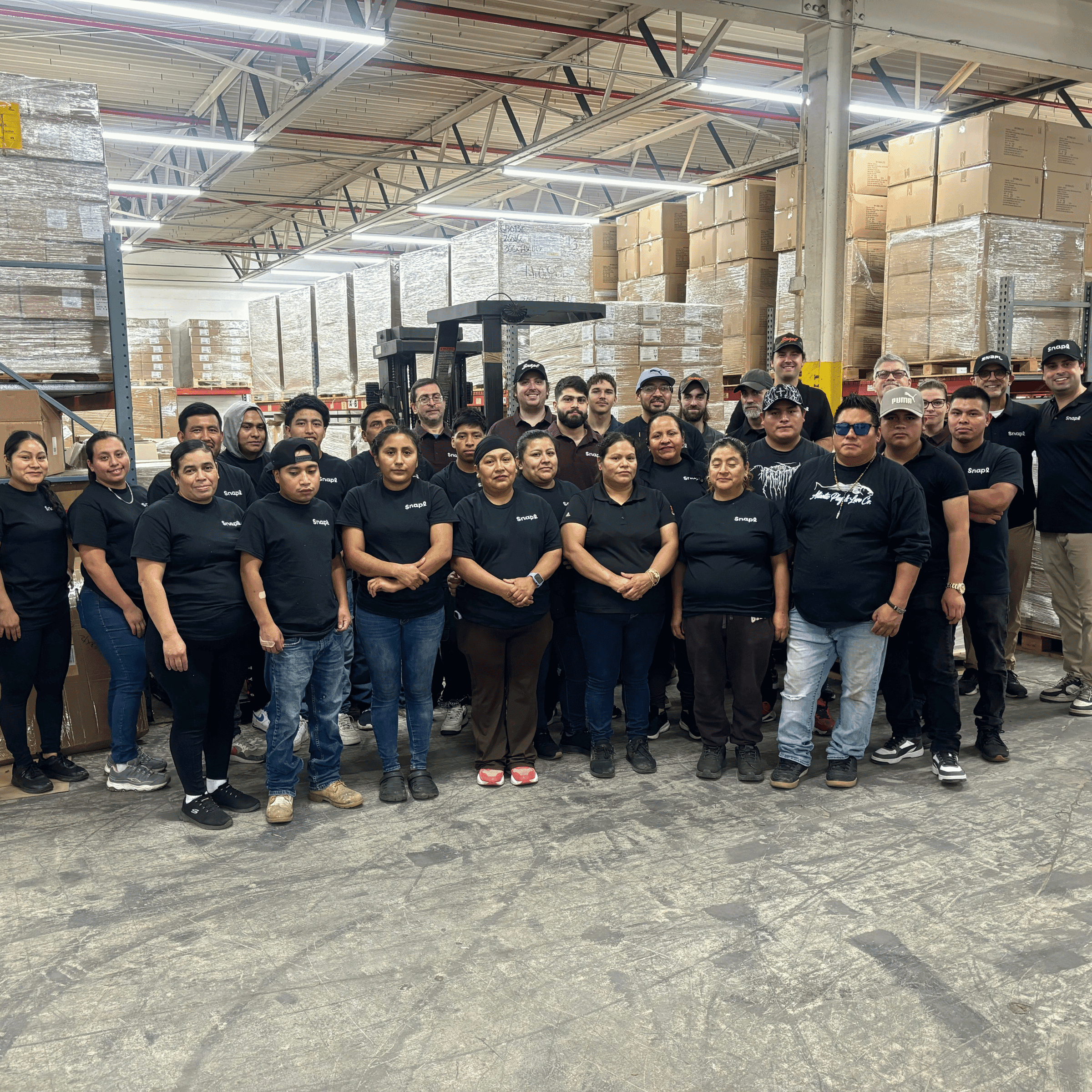
Snapl’s Shopify fulfillment services connect your store with our warehouse operations so orders can flow to our team and inventory and tracking information can flow back to you. With facilities in Gloucester City, New Jersey, and South Hadley, Massachusetts, we support ecommerce brands that need reliable order fulfillment and room to grow.
Our team also handles custom packaging and kitting, returns processing, and B2B and retail fulfillment. That means we can discuss the requirements of your Shopify orders today as well as the channels you plan to add.
If you are comparing 3PLs, contact Snapl with your order volume, SKU count, package sizes, and most common shipping destinations. We can walk through a fulfillment plan and quote based on how your store actually operates.
Frequently Asked Questions
How much does a Shopify 3PL cost?
The cost depends on your order volume, items per order, storage needs, packaging, shipping destinations, returns, and special services. Request an itemized quote using your own order data, then compare the estimated total cost per order.
Can a 3PL ship Shopify orders the same day?
Many 3PLs can ship eligible orders the same day if they arrive before a stated cutoff. Confirm the cutoff time, which days it applies, and what happens when an order is on hold or an item is out of stock. Same-day shipping does not mean same-day delivery.
Can a 3PL handle Shopify bundles?
Some can. Ask how the system tracks each component, when inventory is deducted, and whether the bundle is assembled in advance or when an order arrives. Test a bundle order before moving all of your inventory.
Does a Shopify 3PL need an app?
Not necessarily. Providers use different methods to connect with Shopify. Focus on the result: orders should reach the warehouse correctly, inventory should stay accurate, and tracking should return to your store. Ask to see those steps working before you commit.

Ready to Simplify Your Shopify Fulfillment?
Contact Us