Retail Fulfillment 101: How Brands Ship To Big-Box Retailers and Marketplaces



What Is Retail Fulfillment?
Retail fulfillment is the process of preparing, storing, labeling, packing, and shipping products so they meet the requirements of major retailers, marketplaces, distributors, and wholesale customers. For brands selling into Walmart, Target, Amazon, specialty retailers, department stores, grocery chains, and ecommerce marketplaces, fulfillment is about much more than simply getting products out the door.
Retail fulfillment often includes receiving inventory, preparing purchase orders, applying retailer-specific labels, building pallets, following routing guides, creating shipment documents, supporting EDI requirements, and coordinating freight. When these details are handled correctly, products move smoothly through the retailer’s supply chain. When they are missed, brands can face delays, chargebacks, rejected shipments, and compliance issues.
Why Retail Fulfillment Matters
As brands grow from direct-to-consumer sales into wholesale and big-box retail, fulfillment becomes more complex. Retailers need shipments to arrive in a specific format so their distribution centers can receive, scan, and process inventory efficiently.
A strong retail fulfillment process helps brands reduce chargebacks, improve delivery accuracy, protect retailer relationships, support larger purchase orders, and expand into new sales channels. It also gives brands better inventory control across B2B and B2C orders, which is especially important when one inventory pool supports multiple retailers and ecommerce platforms.
For growing brands, a reliable retail fulfillment 3PL can make retail expansion much easier. Instead of managing labels, routing guides, freight coordination, pallet builds, and compliance requirements internally, brands can work with a warehouse partner that already has the process and labor in place.
Walmart Fulfillment
Walmart fulfillment requires careful attention to carton labels, pallet labels, purchase orders, case pack accuracy, routing instructions, and compliance standards. Brands shipping to Walmart may need support with Walmart 1P, Walmart Marketplace, Walmart Fulfillment Services, or distribution center shipments.
A typical Walmart retail shipment may require UCC-128 or GS1-128 labels, proper carton markings, accurate purchase order information, compliant palletization, ASN support, and freight staging. These requirements help Walmart receive inventory efficiently and reduce manual corrections at the distribution center.
For brands, the most important part of Walmart fulfillment is consistency. The shipment needs to match the purchase order, labels need to be correct, cartons need to be packed accurately, and pallets need to be built in a way that supports clean receiving.
Target Fulfillment
Target fulfillment also requires a clean and organized process. Brands shipping to Target often need support with carton labeling, pallet labeling, case pack verification, bill of lading preparation, ASN support, routing guide review, and shipment staging.
The physical shipment, labels, and documentation all need to match. If the purchase order says one thing, the ASN says another, and the cartons are prepared differently, the retailer may experience receiving issues. This can lead to delays, chargebacks, or a poor supplier scorecard.
A 3PL can help brands prepare Target shipments accurately before they leave the warehouse, making sure inventory is organized, labeled, and staged correctly for pickup.
Amazon Fulfillment
Amazon fulfillment can include FBA prep, FBM fulfillment, Seller Central support, Vendor Central support, and marketplace order fulfillment.
For Amazon FBA, products often need to be prepared before they are sent into Amazon’s network. This may include FNSKU labeling, polybagging, bundling, bubble wrapping, expiration date labeling, suffocation warning labels, carton labeling, pallet labeling, and shipment plan preparation.
For Amazon FBM, the fulfillment process is different. Instead of sending products into Amazon’s fulfillment network, the 3PL ships customer orders directly from the warehouse. This requires fast order processing, accurate picking and packing, dependable tracking updates, and strong inventory management.
Many brands use a combination of FBA, FBM, Shopify fulfillment, wholesale fulfillment, and marketplace fulfillment. A flexible 3PL can support multiple channels from one inventory pool.
Retail Fulfillment Vs. Ecommerce Fulfillment
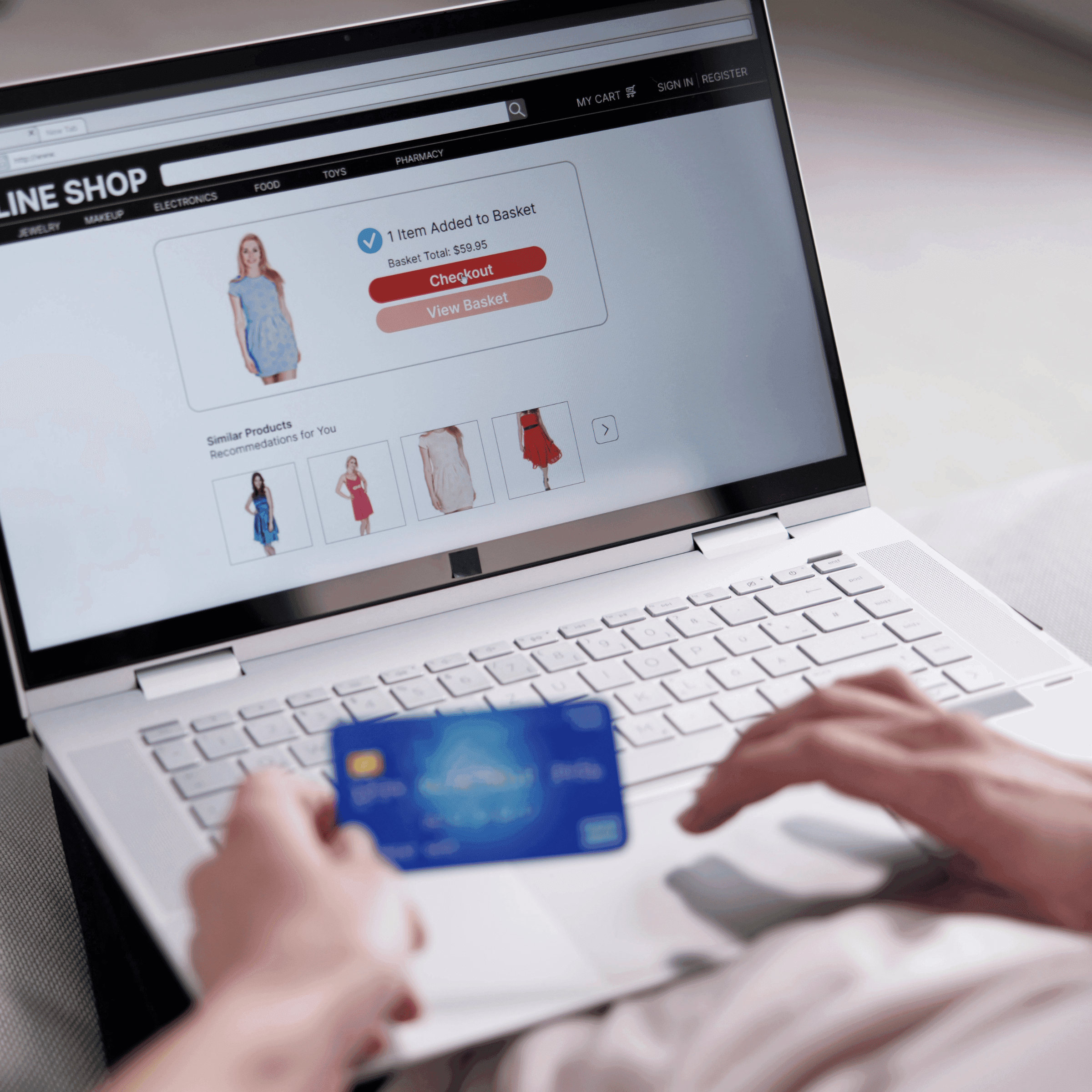
Ecommerce fulfillment usually means shipping individual customer orders from platforms like Shopify, Amazon, TikTok Shop, Walmart Marketplace, WooCommerce, or another online sales channel. These orders typically move through parcel carriers and focus on speed, accuracy, packaging, tracking, and the customer experience.
Retail fulfillment usually means shipping bulk purchase orders to retailers, distributors, wholesale accounts, or distribution centers. These shipments often require carton labels, pallet labels, bills of lading, ASNs, routing compliance, freight coordination, and retailer-specific instructions.
Many growing brands need both. A brand may ship ecommerce orders every day while also sending bulk inventory to Walmart, Target, Amazon, specialty retailers, distributors, and wholesale customers. The right 3PL should be able to support both sides of the business.
Common Retail Fulfillment Services
Retail fulfillment can include storage, inventory management, B2B fulfillment, B2C ecommerce fulfillment, wholesale order fulfillment, pick and pack, kitting, assembly, product bundling, retail labeling, Amazon FBA prep, Walmart fulfillment prep, Target fulfillment prep, quality control, returns processing, rework, palletization, freight staging, and bill of lading preparation.
These services help brands sell into more channels without building every part of the operation in-house. They also give brands more flexibility when purchase orders increase, seasonal volume spikes, new retail programs launch, or products require additional preparation before shipping.
Retail Chargebacks and Compliance
Retail chargebacks are fees or penalties issued when shipments do not meet a retailer’s requirements. These issues can happen because of missing labels, incorrect carton counts, late shipments, wrong routing, inaccurate ASN data, poor pallet configuration, missing purchase order details, or incorrect bill of lading information.
For brands, chargebacks are frustrating because they reduce profit after the sale has already been made. A shipment may look successful at first, but if it arrives with compliance issues, the retailer may issue deductions or delay receiving.
A strong fulfillment process helps prevent these problems before inventory leaves the warehouse. That means checking labels, confirming carton counts, reviewing pallet builds, matching documentation, and making sure the shipment follows the retailer’s routing guide.
Retail Fulfillment from Snapl
Snapl supports brands with retail fulfillment, ecommerce fulfillment, co-packing, kitting, assembly, labeling, storage, and distribution from our facilities in South Hadley, MA and Gloucester City, NJ.
Our South Hadley, Massachusetts location supports brands throughout New England, including Massachusetts, Connecticut, Rhode Island, Vermont, New Hampshire, Maine, and the broader Northeast. Our Gloucester City, New Jersey location supports brands throughout South Jersey, Philadelphia, Pennsylvania, Delaware, New York, and the Mid-Atlantic region.
Together, these locations allow Snapl to support brands shipping into Walmart, Target, Amazon, specialty retailers, department stores, grocery chains, distributors, wholesale customers, ecommerce marketplaces, and direct-to-consumer customers.
How Snapl Supports Retail Fulfillment
Snapl helps brands manage the operational details that come with selling into major retailers and marketplaces. This can include receiving inventory, organizing SKUs, storing products, preparing retail purchase orders, applying labels, building pallets, staging freight, and fulfilling ecommerce orders from the same inventory pool.
Our team can support retail order fulfillment, Walmart fulfillment prep, Target fulfillment prep, Amazon FBA prep, Amazon FBM fulfillment, Shopify fulfillment, B2B fulfillment, B2C fulfillment, kitting, assembly, bundling, carton labeling, pallet labeling, UPC labeling, FNSKU labeling, UCC-128 labeling, quality control, returns, rework, palletization, and wholesale distribution.
For brands that sell across multiple channels, Snapl provides a hands-on fulfillment operation designed to support both daily ecommerce orders and larger retail purchase orders.
Why Brands Use A 3PL For Retail Fulfillment
A 3PL helps brands manage the warehouse work, labor, systems, and compliance details that come with retail growth. Instead of building a full internal fulfillment operation, brands can work with a partner that already has the infrastructure in place.
This is especially important for ecommerce brands expanding into wholesale. Retail orders often require more documentation, more labeling, more coordination, and more accuracy than standard direct-to-consumer orders. A 3PL can help the brand look more professional, reduce mistakes, and handle larger opportunities without overwhelming the internal team.
The right fulfillment partner should feel like an extension of the brand’s operations team. Retail fulfillment often involves deadlines, retailer questions, changing order details, and last-minute adjustments. A responsive 3PL can make those situations easier to manage.
Retail Fulfillment for Growing Brands
Retail fulfillment gives brands the structure they need to grow into larger sales channels. Whether a brand is preparing for its first Target purchase order, expanding into Walmart, sending inventory to Amazon, managing wholesale shipments, or shipping ecommerce orders every day, the fulfillment process needs to be accurate and dependable.
With the right 3PL, brands can accept larger retail orders, launch new kits and bundles, support retail promotions, prepare products for marketplaces, keep ecommerce orders moving, maintain better inventory visibility, and scale without adding more internal warehouse complexity.
Retail fulfillment is more than shipping. It is the process that connects inventory, compliance, packaging, documentation, transportation, and retailer expectations.
If your brand is preparing to ship into Walmart, Target, Amazon, specialty retail, wholesale distribution, or direct-to-consumer channels, Snapl can help simplify the process.
With facilities in South Hadley, MA and Gloucester City, NJ, Snapl provides retail fulfillment, ecommerce fulfillment, kitting, assembly, labeling, storage, and distribution for brands looking to grow across multiple sales channels.