How Integrated Fulfillment, Kitting, and Co-Packing Help Brands Scale


As ecommerce brands grow, their logistics needs become more complex. What starts as simple pick, pack, and ship fulfillment can quickly turn into a larger operation involving custom kits, subscription boxes, retail displays, product labeling, packaging, returns, and wholesale or retail compliance.
Managing all of these services through separate vendors can create delays, added freight costs, inventory issues, and communication problems. That is why more growing brands are choosing to work with a 3PL that can handle fulfillment, kitting, and co-packing under one roof.
A More Efficient Supply Chain
When fulfillment, kitting, and co-packing are handled by different providers, inventory often has to move between multiple facilities before it can be sold or shipped. Components may be sent to one vendor for assembly, transferred to another warehouse for storage, and then shipped from a separate fulfillment center.
Every transfer adds time, cost, and risk. Products can be delayed, damaged, miscounted, or received incorrectly. By keeping everything in one facility, brands can reduce extra handling and move faster from production to shipment.
An integrated 3PL can receive components, assemble finished goods, store inventory, and fulfill orders from the same location. This creates a cleaner, more controlled process from start to finish.
Faster Turnaround for Launches and Promotions
Product launches, seasonal campaigns, retail programs, and subscription box packouts often run on tight timelines. If inventory has to move from a co-packer to a fulfillment center before it can ship, brands can lose valuable time.
When kitting and fulfillment happen under one roof, completed kits can move directly into storage or outbound shipping. There is no need to coordinate an additional freight move or wait for another receiving process.
This is especially helpful for brands managing product launches, influencer mailers, subscription boxes, holiday promotions, or retailer deadlines.
Better Inventory Accuracy
Kitting and co-packing often involve both components and finished goods. A brand may send bottles, caps, labels, cartons, inserts, and stickers that need to be assembled into one finished SKU.
When multiple vendors are involved, tracking those components can become difficult. Inventory has to be converted, transferred, and reconciled across different systems.
A full-service 3PL can manage raw components, work-in-progress inventory, completed kits, and finished goods in one place. This helps reduce stockouts, overselling, missing components, and inventory discrepancies.

Easier Retail and Ecommerce Compliance
Growing brands often sell through multiple channels, including Shopify, Amazon, wholesale accounts, subscription programs, and major retailers. Each channel may have different packaging, labeling, routing, and shipping requirements.
An integrated 3PL can prepare inventory based on where it is going. Products headed to retail can be packed with the correct case counts, labels, pallet configuration, and compliance requirements. Ecommerce orders can be stored and fulfilled directly. Amazon inventory can be prepped and labeled before shipment.
This makes it easier for brands to support multiple channels without creating separate workflows for each one.
Better Support for Custom Kits and Subscription Boxes
Subscription boxes, gift sets, promotional bundles, influencer mailers, and retail kits are some of the strongest reasons to combine kitting, co-packing, and fulfillment.
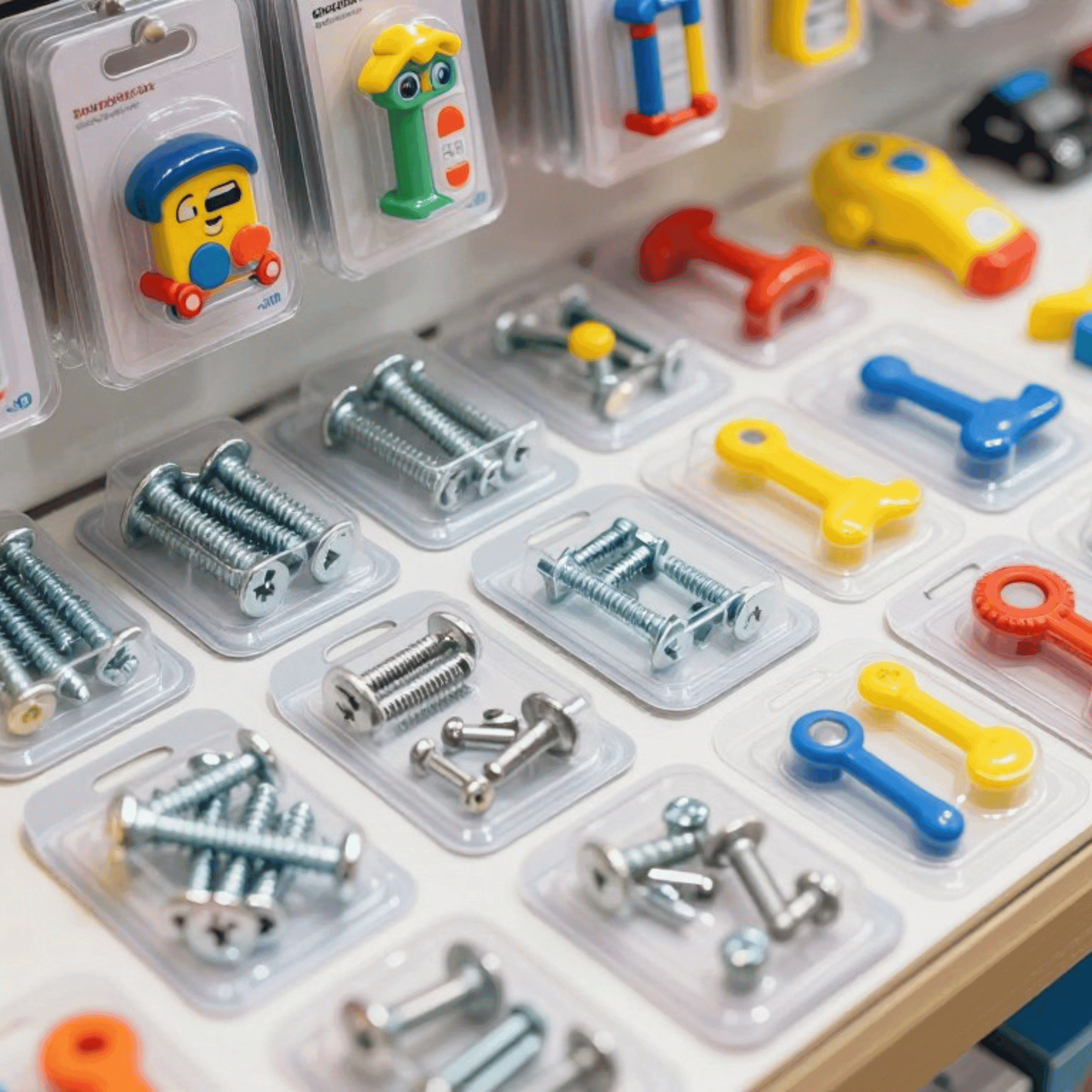
These projects often involve multiple SKUs, custom packaging, printed inserts, stickers, labels, and strict shipping timelines. A 3PL with all services under one roof can receive the components, organize the project, assemble the kits, perform quality checks, pack finished units, and ship them directly to customers or retailers.
This gives brands one partner and one point of contact for the entire process.
Lower Freight and Handling Costs
Using separate vendors often means paying to move inventory more than once. Brands may also pay multiple receiving fees, handling charges, storage fees, and administrative costs.
Combining fulfillment, kitting, and co-packing under one roof can reduce those extra touches. Products are received once, assembled in the same facility, stored in the same warehouse, and shipped from the same operation.
For growing brands focused on protecting margins, eliminating unnecessary freight and handling can make a meaningful difference.
Stronger Quality Control
Kitting and co-packing require attention to detail. A missing insert, incorrect label, damaged carton, or mispacked item can lead to customer complaints, retailer chargebacks, or delayed shipments.
When one 3PL manages the full process, quality control can be built into every step. The team can inspect components when they arrive, check products during assembly, verify finished goods, and confirm outbound shipments before they leave the facility.
This creates better accountability and a more consistent customer experience.
More Flexibility as Brands Grow
Growth is rarely predictable. A brand may suddenly receive a large retail order, launch a new product, run a promotion, or need to rework inventory quickly.
When fulfillment, kitting, and co-packing are handled in one facility, it is easier to adjust. Inventory can be relabeled, repacked, bundled, inspected, or prepared for a different sales channel without transferring it to another vendor.
That flexibility helps brands move faster and respond to new opportunities with less operational friction.
Fewer Vendors to Manage
Working with multiple logistics providers takes time. Each vendor has its own contacts, invoices, systems, schedules, and processes. For growing brands with lean teams, this can become a major burden.
Using one 3PL for fulfillment, kitting, and co-packing simplifies communication. Brands can work with one team, one warehouse, one inventory process, and one operational plan.
That means fewer emails, fewer handoffs, and less confusion.
Why an Integrated 3PL Is a Competitive Advantage
Combining fulfillment, kitting, and co-packing under one roof helps growing brands simplify operations, reduce costs, improve accuracy, and move faster. It also gives brands the flexibility to support ecommerce, retail, wholesale, Amazon, and subscription programs from a more unified supply chain.
As brands scale, logistics becomes more than just shipping orders. It affects customer experience, retail relationships, inventory planning, and profitability. A full-service 3PL can give brands the operational foundation they need to grow with confidence.
Work With Snapl
Snapl helps growing brands manage fulfillment, kitting, and co-packing under one roof. From ecommerce fulfillment and subscription box assembly to product labeling, retail compliance, custom packaging, and hands-on project work, Snapl provides the support brands need to scale efficiently.
For brands looking to reduce vendor complexity, improve turnaround times, and simplify logistics, working with an integrated 3PL partner can make all the difference.

Ready to simplify your logistics?
Contact Us