Railcar Unloading, Storage, and Distribution Services for Growing Businesses


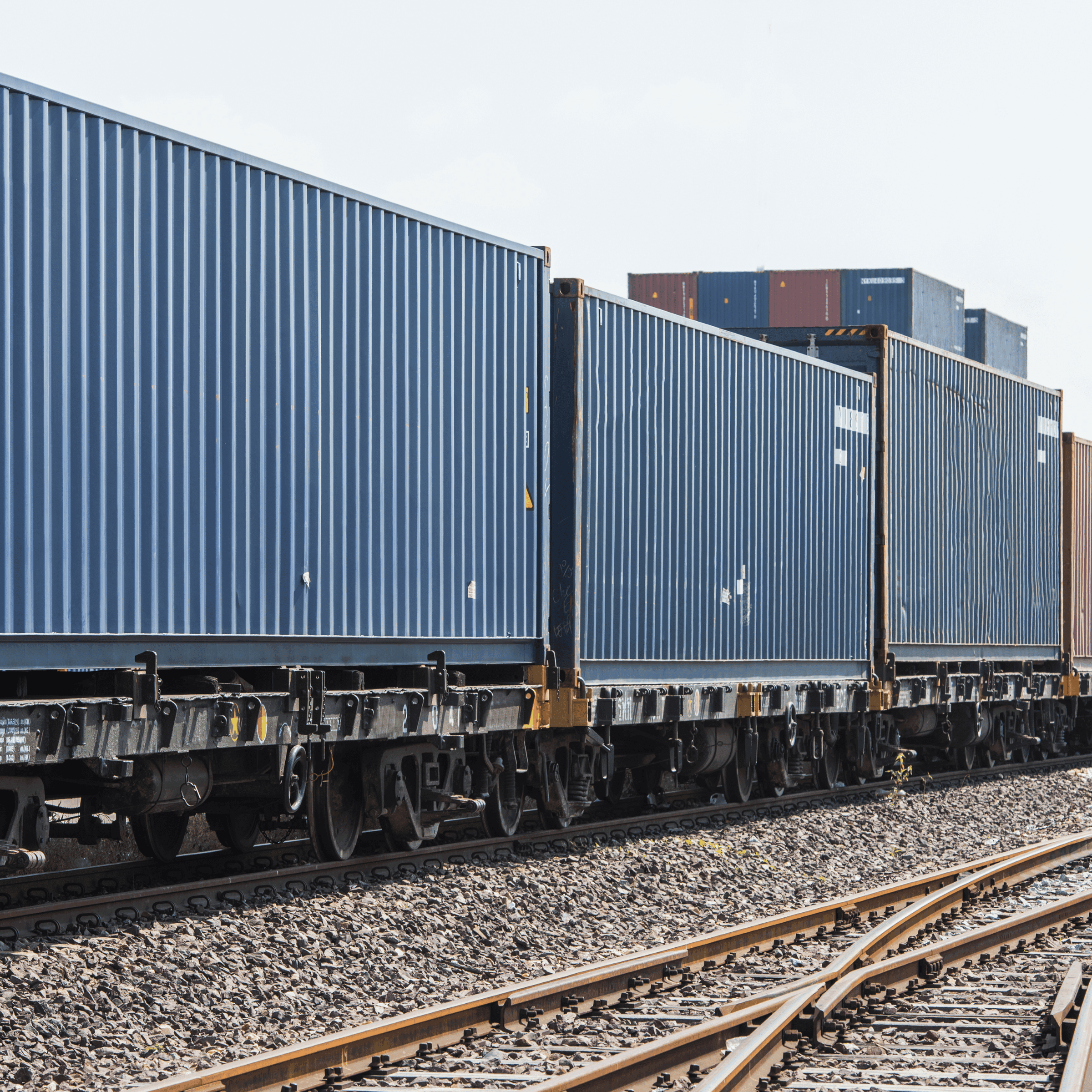
Rail remains one of the most efficient ways to move large volumes of product across long distances. For manufacturers, importers, distributors, and industrial suppliers, rail can reduce transportation costs, support heavier freight moves, and create more flexibility when shipping bulk materials, paper rolls, lumber, packaging, raw materials, finished goods, or other high-volume inventory.
However, rail shipping does not end when the railcar arrives. Products often need to be unloaded, handled, inspected, stored, transferred, inventoried, and shipped out by truck, container, or final-mile carrier. This is where professional railcar handling services become a critical part of the supply chain.
A 3PL or warehouse partner with railcar handling capabilities can help companies bridge the gap between rail transportation and final distribution. Instead of relying only on traditional trucking or struggling to coordinate with multiple vendors, businesses can use a rail-served or rail-accessible warehouse to receive freight directly from railcars, manage the product safely, and prepare it for its next destination.
What Are Railcar Handling Services?
Railcar handling services refer to the process of receiving, unloading, loading, transferring, storing, and managing freight that moves by rail. These services are commonly used by companies shipping large quantities of product that are too heavy, oversized, or cost-prohibitive to move entirely by truck.
Depending on the product type, railcar handling may include:
- Railcar unloading of palletized, floor-loaded, rolled, bulk, or oversized materials
- Clamp truck handling for paper rolls, packaging rolls, textiles, or other cylindrical freight
- Forklift unloading for palletized goods or crated materials
- Transloading from railcar to truck, container, trailer, or warehouse storage
- Short-term and recurring storage for materials not moving out immediately
- Inventory reporting to track product received, stored, and shipped
- Outbound truck loading for local, regional, or national distribution
- Private warehouse handling for companies that require secure, controlled access to their materials
The goal is simple: move product from rail to the next stage of the supply chain safely, efficiently, and with full visibility.
Why Companies Use Railcar Handling Instead of Truck-Only Freight
Rail is often used when companies are moving heavy freight over long distances. One railcar can hold a significant amount of product, often replacing multiple truckloads depending on the commodity and weight. For shippers with recurring volume, this can make rail a more cost-effective and scalable transportation method.
The challenge is that rail does not always deliver directly to the final customer. Many businesses need a warehouse or transloading partner near a port, distribution hub, manufacturing center, or major freight corridor. That partner receives the railcar, unloads the material, stores it if needed, and arranges the outbound movement.
This creates a more flexible model. A company can move product long distance by rail, then use trucks for the final leg of delivery. This is especially helpful when serving multiple customers from one rail delivery point or when product needs to be held before final shipment.
For businesses with steady inbound rail volume, railcar handling can help reduce reliance on full truckload transportation, improve inventory positioning, and create a more controlled receiving process.
Common Products That Require Railcar Handling
Railcar handling is used across many industries. While each product has its own requirements, common product categories include:
- Paper rolls and packaging rolls that require clamp trucks and careful handling to prevent crushing, tearing, or edge damage
- Lumber, building materials, and construction products that need heavy-duty equipment and organized yard or warehouse storage
- Raw materials and manufacturing inputs that arrive in large quantities and must be staged for production or distribution
- Plastic resin, chemicals, and bulk materials that may require specialized unloading processes and compliance procedures
- Consumer goods and retail inventory that move in larger shipments before being broken down for regional distribution
- Palletized freight that can be unloaded, counted, stored, and shipped using standard warehouse equipment
- Oversized or heavy freight that is better suited for rail movement than traditional truckload service
For products like rolls, bales, sheets, pallets, and industrial supplies, proper handling matters. The unloading process must protect the product, preserve inventory accuracy, and ensure the freight is ready for its next move.
Railcar Unloading Services
Railcar unloading is one of the most important parts of railcar handling. The unloading process depends on the product, packaging, railcar type, and destination plan.
For palletized products, unloading may involve forklifts, dock equipment, and warehouse staging. For rolled materials, a clamp truck may be needed to safely grip and move the rolls without damaging the product. For oversized materials, specialized equipment, additional labor, or custom handling procedures may be required.
A strong railcar unloading process should include:
- Pre-arrival coordination to confirm railcar details, expected delivery timing, product type, equipment requirements, and outbound plan
- Safe unloading procedures to protect workers, equipment, and freight
- Product inspection to identify visible damage, shifting, or packaging issues
- Accurate counts and documentation so the customer knows exactly what was received
- Warehouse staging to organize freight before storage or outbound loading
- Exception reporting for damaged, missing, or irregular product
The best providers do more than simply unload the railcar. They act as an extension of the customer’s logistics team, making sure the product is received correctly and ready for the next stage.
Railcar Transloading Services
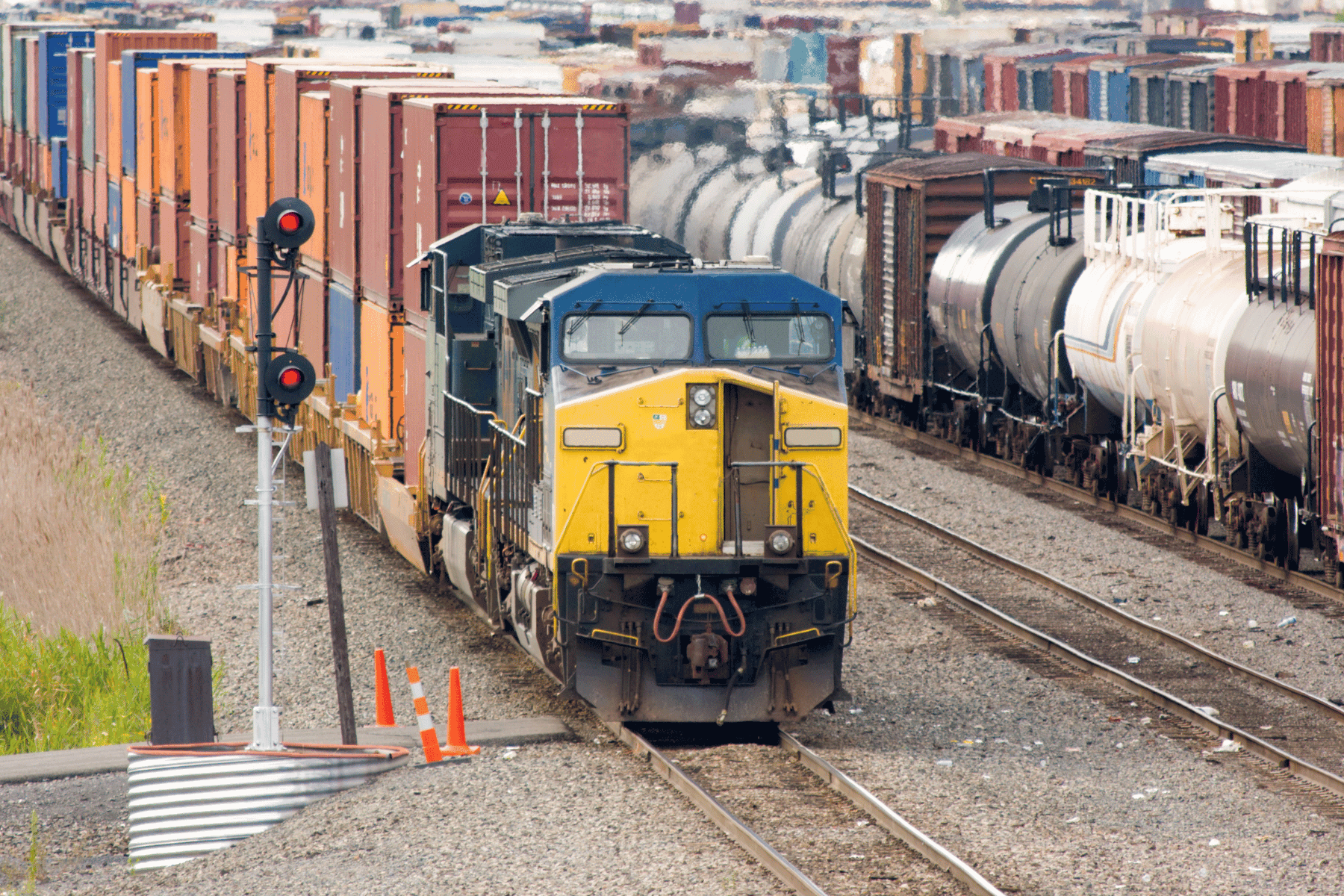
Transloading is the process of moving freight from one mode of transportation to another. In rail logistics, this often means transferring product from a railcar into a truck, container, or warehouse.
Rail-to-truck transloading is especially valuable when the rail destination is not the final delivery point. A customer may ship several railcars into a warehouse, then have the product distributed by truck to multiple customers, retailers, manufacturing sites, or regional facilities.
Transloading can include:
- Railcar to truck transfer
- Railcar to warehouse storage
- Railcar to container transfer
- Railcar to trailer staging
- Warehouse to outbound truck loading
This model gives companies more control over freight flow. Instead of shipping separate truckloads across the country, they can consolidate long-distance transportation by rail and use local or regional trucking for final distribution.
For importers and manufacturers, transloading also helps position inventory closer to ports, customers, and major freight lanes.
Storage for Rail-Received Freight
Not every rail shipment moves out immediately. Many companies need short-term storage, monthly storage, or recurring storage for product received by rail.
Storage is especially important when railcars arrive before customers are ready to receive the freight. A warehouse partner can unload the railcar, place the inventory into storage, and release product as needed. This helps avoid congestion, delays, and unnecessary demurrage or detention issues.
Railcar storage programs may include:
- Pallet storage
- Roll storage
- Bulk material storage
- Floor storage
- Racked storage
- Private warehouse areas
- Customer-specific inventory zones
- End-of-month inventory reporting
For companies with recurring rail volume, storage is not just about space. It is about visibility. Customers need to know how much product is on hand, what has shipped, what remains in storage, and what is scheduled for outbound movement.
A reliable warehouse partner should be able to provide inventory reporting on a regular schedule, especially for customers moving high-volume industrial or retail materials.
Clamp Truck Handling for Rolls and Specialty Materials
Certain products require more than standard forklift handling. Paper rolls, packaging rolls, textile rolls, film rolls, and other cylindrical products often require a clamp truck.
Clamp trucks are designed to grip rolls from the side and move them without pallets. When operated correctly, they allow warehouses to unload and load rolled materials efficiently while minimizing product damage.
Clamp truck handling is commonly used for:
- Paper rolls
- Cardboard and packaging rolls
- Film and plastic rolls
- Textile rolls
- Nonwoven materials
- Large cylindrical industrial products
Because these products can be heavy, awkward, and sensitive to pressure, the operator’s experience matters. Poor handling can cause crushed edges, punctures, flat spots, torn wrapping, or product deformation.
A strong clamp truck handling program should include:
- Trained clamp truck operators
- Proper equipment for roll handling
- Controlled staging areas
- Clear storage instructions
- Defined loading and unloading procedures
- Careful handling to reduce product damage
Inventory Management and Reporting
Railcar handling is not complete without inventory control. When large quantities of product arrive at once, accurate tracking is essential.
A warehouse handling rail freight should be able to document:
- What arrived
- When it arrived
- Which railcar it came from
- How much was unloaded
- What condition the product was in
- Where it was stored
- What shipped out
- What remains on hand
For recurring customers, monthly reporting can be extremely valuable. An end-of-month inventory report gives the customer a clear view of remaining stock, storage charges, outbound activity, and replenishment needs.
For industrial materials, paper rolls, retail inventory, or manufacturing inputs, this reporting helps finance, operations, transportation, and procurement teams stay aligned.
Private Warehouse Handling for Sensitive or High-Value Freight
Some companies require a more controlled warehouse environment. They may not want their product mixed into a public storage area or visible to unrelated customers. In these cases, private warehouse handling or dedicated storage areas may be preferred.
Private or controlled-access handling can help support:
- Higher-value materials
- Customer-owned inventory
- Sensitive product categories
- Confidential programs
- Retail-specific inventory
- Manufacturing inputs
- Long-term storage programs
A private warehouse environment gives customers more control over who can access their product, how it is staged, and how it is reported. This is especially helpful for companies that require accountability, security, and clean documentation throughout the handling process.
Drayage and Final-Mile Trucking After Rail
Once freight is unloaded from rail, it often needs to move by truck. This may include delivery to a port, customer facility, retailer, manufacturer, distribution center, or another warehouse.
A strong railcar handling partner may also coordinate drayage, dedicated trucking, full truckload service, or regional distribution. This creates a more seamless supply chain because the same partner can help receive the product, manage the inventory, and coordinate outbound movement.
Outbound trucking may include:
- Drayage to port terminals
- Local delivery
- Regional truckload distribution
- Dedicated trailers
- Customer deliveries
- Retail distribution
- Manufacturing replenishment
When railcar handling and trucking are coordinated together, companies can reduce handoffs, improve communication, and avoid delays between unloading and final delivery.
Benefits of Working With a Railcar Handling Partner
The right railcar handling provider can create major operational advantages for companies moving freight by rail.
- Lower Transportation Costs: Rail can be more cost-effective for long-distance, high-volume freight. By combining rail with warehouse handling and truck distribution, companies can create a more balanced freight strategy.
- Improved Freight Flexibility: Railcar handling gives businesses the option to receive large-volume shipments and release product as needed. This is helpful when customer demand, production schedules, or delivery appointments change.
- Better Inventory Visibility: With proper warehouse reporting, customers can track what was received, what is stored, and what has shipped. This reduces confusion and improves planning.
- Reduced Operational Complexity: Instead of coordinating separately with rail providers, warehouses, trucking companies, and inventory teams, businesses can work with one logistics partner to manage the handoff.
- Safer Product Handling: Experienced warehouse teams know how to unload and handle freight correctly. This is especially important for rolls, heavy materials, and products that require specialized equipment.
- Scalable Storage and Distribution: As volume grows, a railcar handling partner can support additional railcars, more storage, more outbound loads, and expanded reporting needs.
What to Look for in a Railcar Handling Provider
Not every warehouse is equipped to handle rail freight. Before choosing a partner, companies should evaluate the provider’s equipment, space, process, and communication.
Important factors include:
- Rail access or rail-served warehouse capabilities
- Forklifts, clamp trucks, dock equipment, staging areas, and loading capabilities
- Experience handling the specific product type
- Inventory tracking and reporting capabilities
- Storage capacity for large-volume rail shipments
- Outbound freight support for truckload, drayage, and distribution
- Clear communication before, during, and after unloading
- Ability to provide private or dedicated storage areas when needed
- Safe handling procedures for heavy, oversized, or sensitive materials
- Flexible support for recurring railcar programs
Railcar Handling for Port and Distribution Strategies
Railcar handling is especially valuable near major ports, industrial corridors, and distribution markets. Companies shipping into or out of port regions may use rail to move product closer to the port, then rely on warehouse handling and drayage for the final connection.
This can support:
- Port-adjacent distribution
- Import and export programs
- Regional inventory positioning
- Manufacturing supply chains
- Retail replenishment
- Bulk product storage
- Cross-dock and transload operations
- Drayage coordination
- Outbound truckload distribution
For companies serving the Northeast, railcar handling near major markets can help reduce transportation complexity and improve access to ports, highways, customers, and distribution centers.

Railcar Handling Pricing Considerations
Pricing for railcar handling depends on the product, equipment, labor, space, and outbound requirements. There is no single standard rate because every program is different.
Common pricing factors include:
- Handling cost per short ton
- Unloading cost per unit, roll, pallet, or railcar
- Inbound and outbound labor
- Clamp truck requirements
- Recurring monthly storage
- Minimum storage charges
- Drayage or trucking costs
- Inventory reporting requirements
- Special equipment needs
- Private warehouse or dedicated space requirements
- Product weight, dimensions, and handling complexity
- Number of railcars received per week or month
- Whether freight moves out immediately or remains in storage
For example, a heavy rolled product requiring clamp truck unloading will likely be priced differently than standard palletized freight. A customer needing monthly inventory reports, private storage, and recurring outbound truckloads may require a more structured pricing model than a one-time transload.
The best approach is to quote railcar handling based on the actual product, rail volume, handling process, and distribution plan.
How Railcar Handling Supports a Stronger Supply Chain
Railcar handling is more than a warehouse service. It is a supply chain strategy.
For businesses moving high-volume freight, rail can provide the long-distance efficiency, while the warehouse provides the flexibility needed for storage, staging, inventory control, and final delivery. Together, these services help companies reduce freight friction and create a smoother movement of goods from origin to destination.
A strong railcar handling program can help companies:
- Receive large shipments more efficiently
- Reduce dependence on long-haul truckload freight
- Store inventory closer to customers
- Improve visibility into product movement
- Support recurring distribution programs
- Protect freight through proper handling
- Coordinate outbound trucking and drayage
- Scale operations as volume grows
- Reduce unnecessary handoffs between vendors
- Create a more organized inbound and outbound process
For manufacturers, importers, industrial suppliers, and distributors, this type of service can become an important competitive advantage.
Why Railcar Handling Matters for Growing Businesses
As businesses grow, freight becomes more complex. More volume means more inventory, more transportation decisions, more receiving needs, and more pressure to keep costs under control. Railcar handling gives companies a way to manage larger freight movements without sacrificing flexibility.
Instead of treating rail, warehousing, and trucking as separate pieces, companies can create an integrated logistics model:
- Product arrives by rail
- The railcar is unloaded by an experienced warehouse team
- Inventory is inspected, counted, and documented
- Product is moved into storage or staging
- Outbound shipments are scheduled
- Freight is loaded onto trucks for final delivery
- Inventory reports are updated for visibility
That combination can support both cost control and operational reliability.
For companies moving heavy, bulky, or recurring freight, railcar handling services can help turn rail transportation into a complete distribution solution.
Railcar Handling Services with Snapl
Snapl provides hands-on logistics support for businesses that need reliable warehousing, handling, storage, and distribution services. For companies moving freight by rail, Snapl can help support the process from inbound coordination through unloading, storage, inventory management, and outbound movement.
Snapl can assist with:
- Railcar unloading
- Transloading
- Clamp truck handling
- Palletized freight handling
- Roll handling
- Recurring storage
- Private warehouse handling
- Inventory reporting
- End-of-month inventory reports
- Drayage coordination
- Dedicated freight solutions
- Outbound truckload distribution
- Port and terminal support
- Customer-specific storage programs
Whether the product needs to be stored, transferred, staged, or shipped to its next destination, Snapl works to create a clean, organized, and dependable process.
For companies looking to simplify rail freight, improve product visibility, and create a more flexible distribution model, railcar handling services can be a valuable part of the overall logistics strategy.

Need reliable railcar handling support?
Contact Us