A Complete Guide for Businesses That Need Reliable Transportation


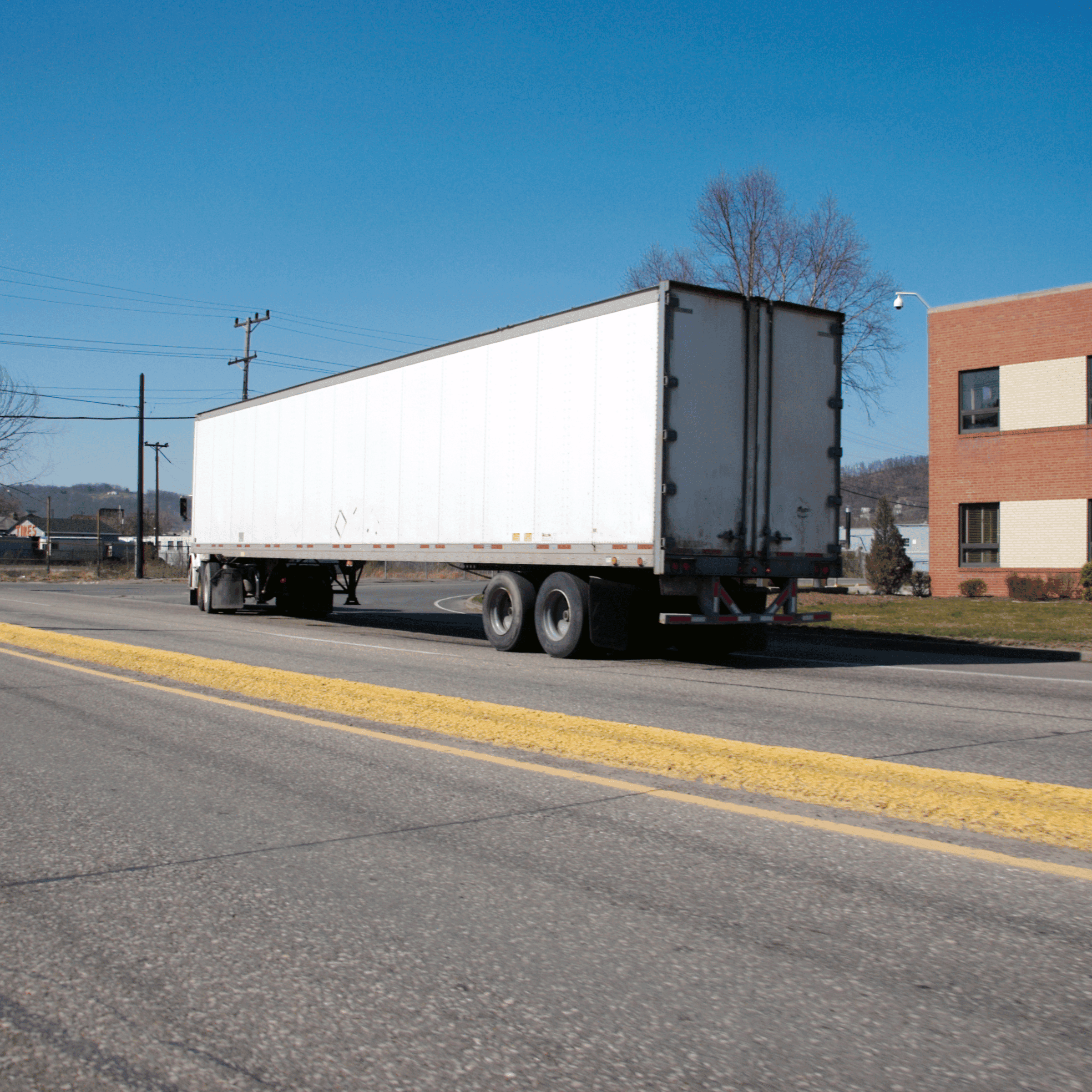
For businesses that move product on a regular basis, transportation is not just a shipping function. It is a critical part of customer service, inventory flow, retail compliance, and overall supply chain performance. When shipments need to move on a dependable schedule, with more control and fewer handoffs, dedicated freight becomes a valuable solution.
Dedicated freight refers to a transportation model in which a truck, route, or transportation capacity is assigned specifically to one customer or a defined group of shipments. Instead of relying on shared space in a general freight network, the customer has access to consistent capacity designed around their delivery needs, schedule, and operating requirements.
For companies shipping throughout Massachusetts, New England, and the broader Northeast, dedicated freight can create a major advantage. It offers more predictability, stronger service levels, faster transit, and better coordination between warehousing and transportation. At Snapl, our South Hadley, MA facility supports dedicated freight operations for businesses that need reliable regional transportation backed by hands-on logistics support.
Understanding Dedicated Freight
Dedicated freight is different from traditional spot-market shipping or standard less-than-truckload transportation. In a dedicated arrangement, the transportation plan is built around the customer. That can mean a truck assigned to recurring routes, scheduled pickups and deliveries, or a dedicated transportation solution that supports replenishment, retail delivery, transfers between facilities, or direct distribution to customers.
The key concept is consistency. Rather than searching for capacity each time freight needs to move, the customer works with a transportation partner that provides dependable service based on an established operating plan.
This model is especially valuable for businesses with recurring freight patterns, fixed delivery windows, sensitive products, or a need for tighter communication between warehouse operations and transportation.
How Dedicated Freight Works
A dedicated freight program typically starts with an understanding of the customer’s shipping profile. This includes where freight is moving, how often loads need to be picked up or delivered, what equipment is required, and whether the freight is tied to warehousing, fulfillment, retail distribution, or inter-facility transfers.
Once that scope is clear, the transportation plan is structured around the customer’s needs. That may include:
- Recurring pickup schedules
- Dedicated trucks for regional routes
- Set delivery days for specific customers or locations
- Scheduled replenishment runs
- Transfers between manufacturing sites, warehouses, and retail destinations
- More direct communication with the transportation team
Instead of treating every move as a separate one-off shipment, dedicated freight creates an organized system that supports ongoing operations.
Dedicated Freight vs. Traditional Freight
Many businesses begin by using standard freight options because they are easy to access and work well for occasional shipping. Over time, however, those options can become limiting. As shipping volume grows and operations become more complex, reliability and consistency begin to matter more than simply finding a truck.
Traditional freight often involves shared capacity, broader routing changes, variable transit times, and less control over how freight is handled from pickup to delivery. Dedicated freight offers a more controlled model.
With dedicated freight, businesses often gain:
- More predictable scheduling
- Greater consistency in pickups and deliveries
- Better route planning
- Stronger visibility and communication
- Reduced risk of service disruption
- A transportation model aligned with actual operational needs
For companies moving freight frequently, the difference can be significant. Dedicated freight is often less about just moving product and more about creating a repeatable, dependable transportation process.
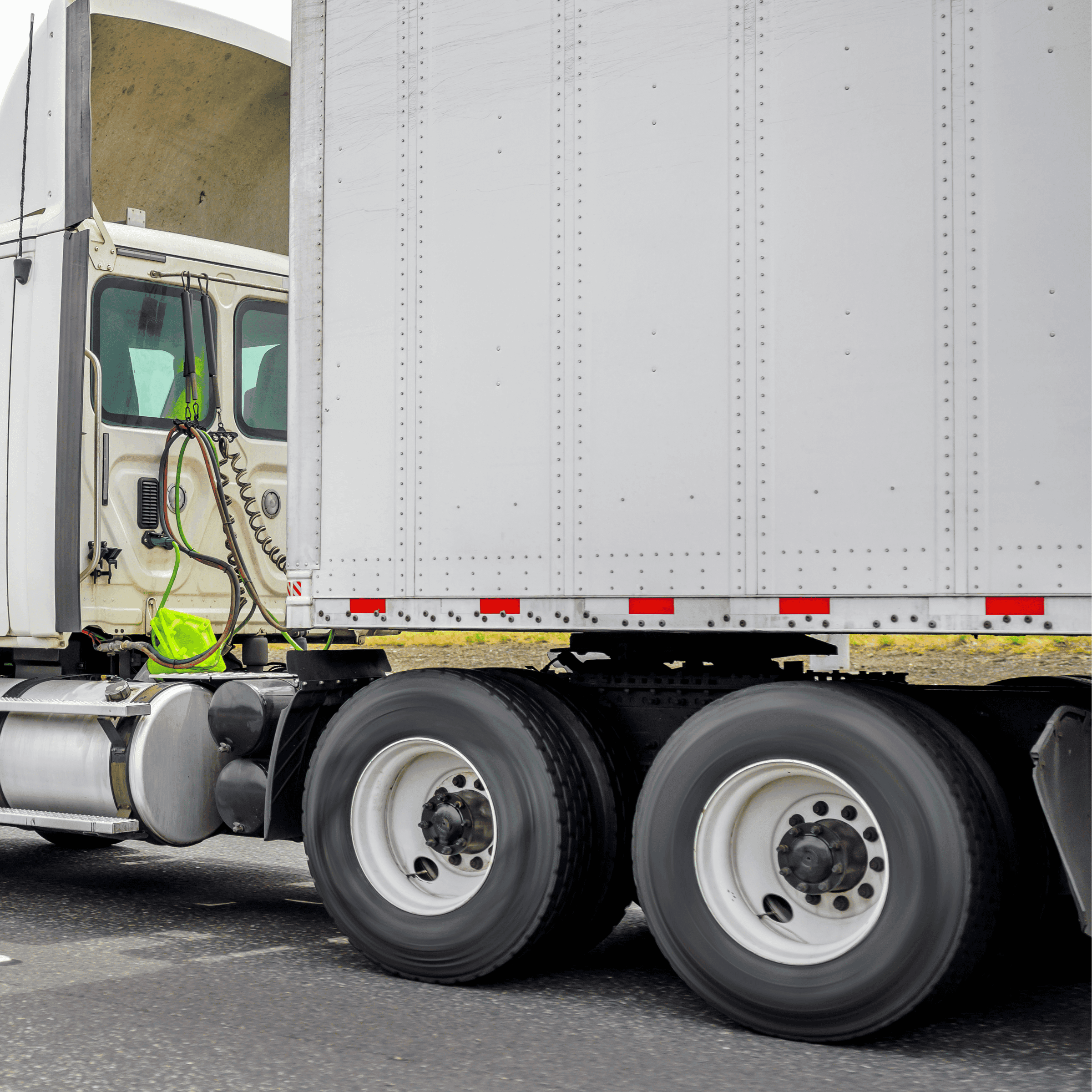
Who Benefits Most from Dedicated Freight
Dedicated freight is especially useful for businesses that cannot afford inconsistency in their transportation network. This includes companies with recurring distribution needs, high-volume shipping patterns, retail delivery schedules, and time-sensitive movements between facilities.
Industries and business types that often benefit include:
Manufacturers
Manufacturers often need dependable transportation between production sites, warehouses, distributors, and end customers. Delays can create bottlenecks that affect production schedules and customer commitments. Dedicated freight helps stabilize those flows.
Retail Suppliers
Retail suppliers frequently work within strict delivery windows and compliance requirements. A dedicated freight solution can help support more reliable store deliveries, replenishment schedules, and distribution center appointments.
Ecommerce and Omnichannel Brands
Ecommerce brands may need recurring inventory transfers, replenishment to fulfillment centers, or freight support tied to fast order fulfillment. Dedicated freight helps create more structured movement across channels.
Food, Beverage, and Consumer Goods Companies
These businesses often rely on repeat routes and consistent delivery timing. A dedicated transportation program can improve coordination and reduce the uncertainty that comes with last-minute freight sourcing.
Businesses Expanding Across the Northeast
As companies grow across Massachusetts, Connecticut, Rhode Island, New York, New Jersey, and the greater Northeast, dependable regional transportation becomes more important. Dedicated freight supports that growth with a more scalable operating model.
The Main Advantages of Dedicated Freight
Dedicated freight is attractive because it gives businesses more than truck capacity. It gives them structure. In many cases, that structure leads to better performance across the supply chain.
Improved Reliability
One of the biggest advantages of dedicated freight is reliability. When routes, schedules, and capacity are planned in advance, there is less uncertainty. This helps businesses maintain delivery performance and avoid disruptions.
Better Operational Control
Dedicated freight gives shippers more control over how freight moves. Instead of adapting to the changing availability of general transportation networks, businesses can work within a system designed around their needs.
More Consistent Transit Times
When freight moves on defined schedules and predictable routes, transit times often become more consistent. That consistency matters for inventory planning, customer communication, and retail distribution.
Stronger Communication
Dedicated freight relationships usually involve closer coordination between the shipper and the transportation provider. That means faster updates, clearer expectations, and better issue resolution when challenges arise.
Scalability for Growth
As shipping volume grows, dedicated freight can often scale more effectively than constantly sourcing transportation load by load. It creates a foundation businesses can build on as they expand into new markets or increase shipment frequency.
Reduced Supply Chain Friction
Every handoff in a supply chain creates a chance for delay or miscommunication. Dedicated freight can reduce that friction by simplifying how freight moves and by connecting warehousing and transportation under a more unified strategy.
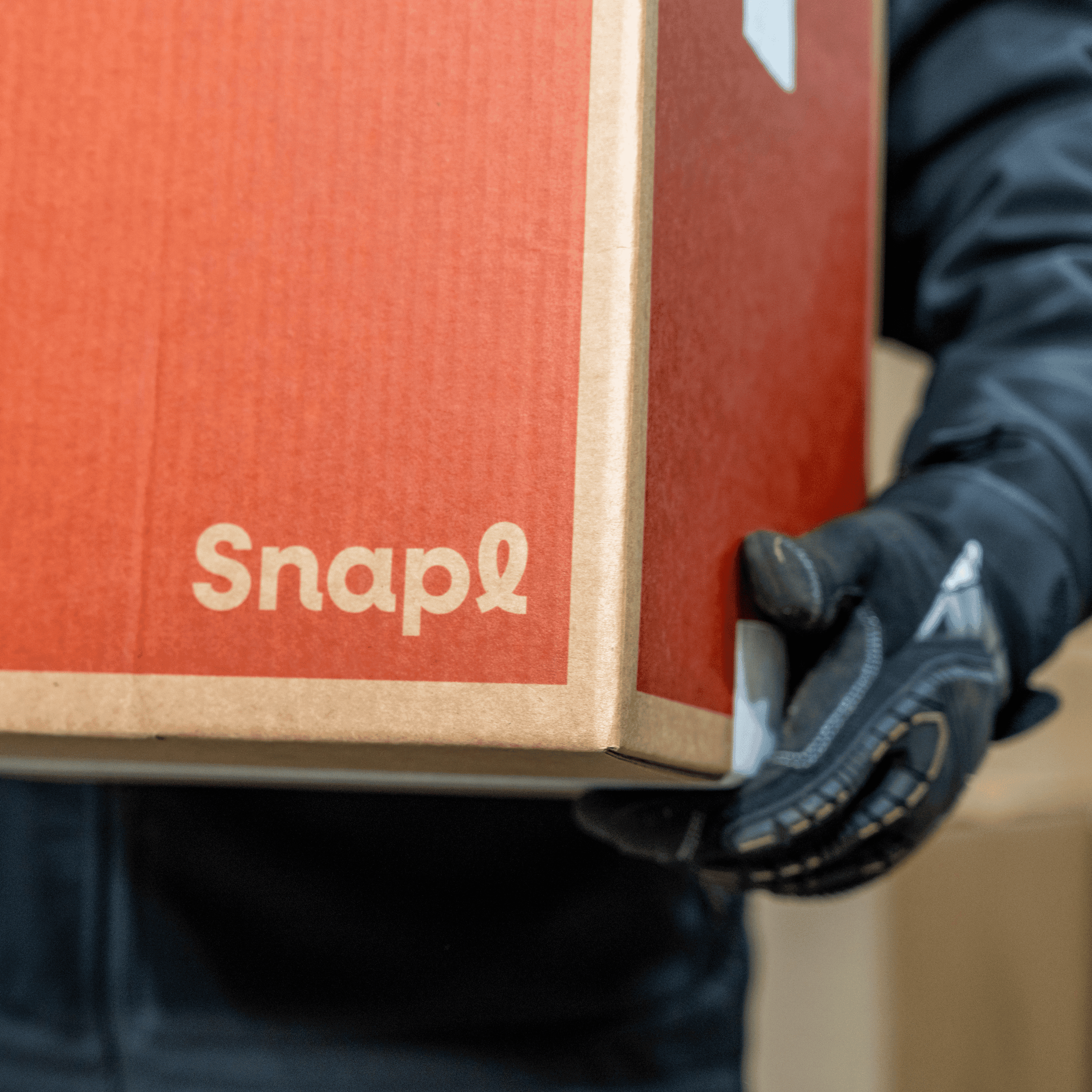
When a Business Should Consider Dedicated Freight
Not every company needs dedicated freight from the start. For some businesses, standard freight is enough. But there are clear signs that it may be time to move toward a dedicated transportation model.
A business should consider dedicated freight when:
- Shipments move on the same routes repeatedly
- Customers require tighter delivery windows
- Freight delays are affecting operations or customer satisfaction
- The business is growing and needs more dependable capacity
- Inventory transfers between locations happen regularly
- The company wants more visibility and coordination
- Transportation has become too reactive instead of planned
When shipping patterns become recurring and strategically important, dedicated freight often becomes a smarter long-term solution.
Why Dedicated Freight Matters in Massachusetts and the Northeast
Massachusetts is a critical logistics market. Businesses operating in the state often need access to greater New England, the New York metro region, and surrounding Northeast corridors. That makes transportation strategy especially important.
Dedicated freight is valuable in this region because the Northeast presents unique challenges and opportunities. Traffic congestion, dense population centers, strict appointment schedules, and short but operationally important delivery lanes all increase the need for dependable planning. Businesses do not just need a truck. They need a transportation partner that understands the region and can support recurring freight movement with consistency.
For companies shipping throughout Massachusetts, Boston, Western Massachusetts, Connecticut, Rhode Island, New York, and the broader Northeast, dedicated freight can provide the structure needed to maintain reliable service and support business growth.
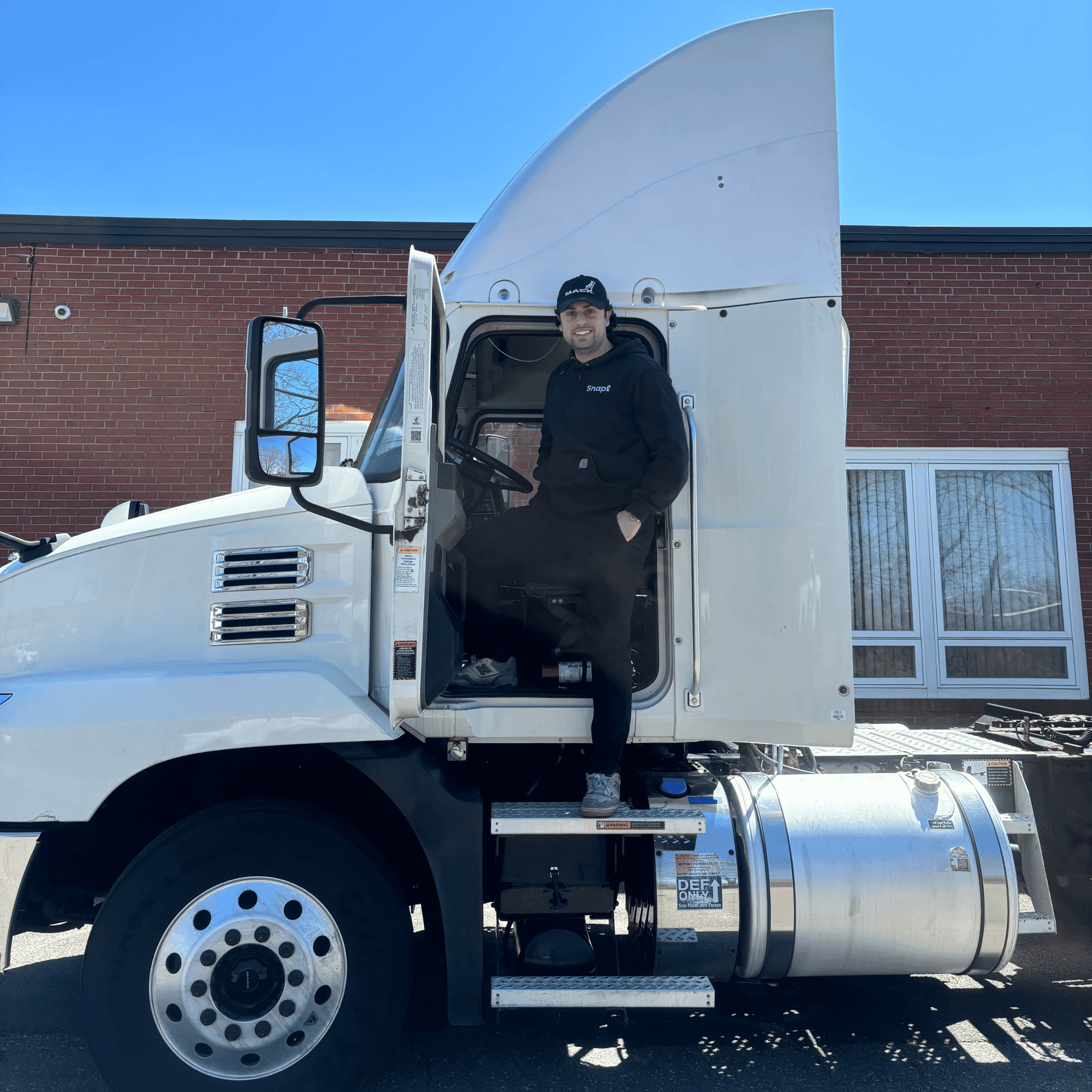
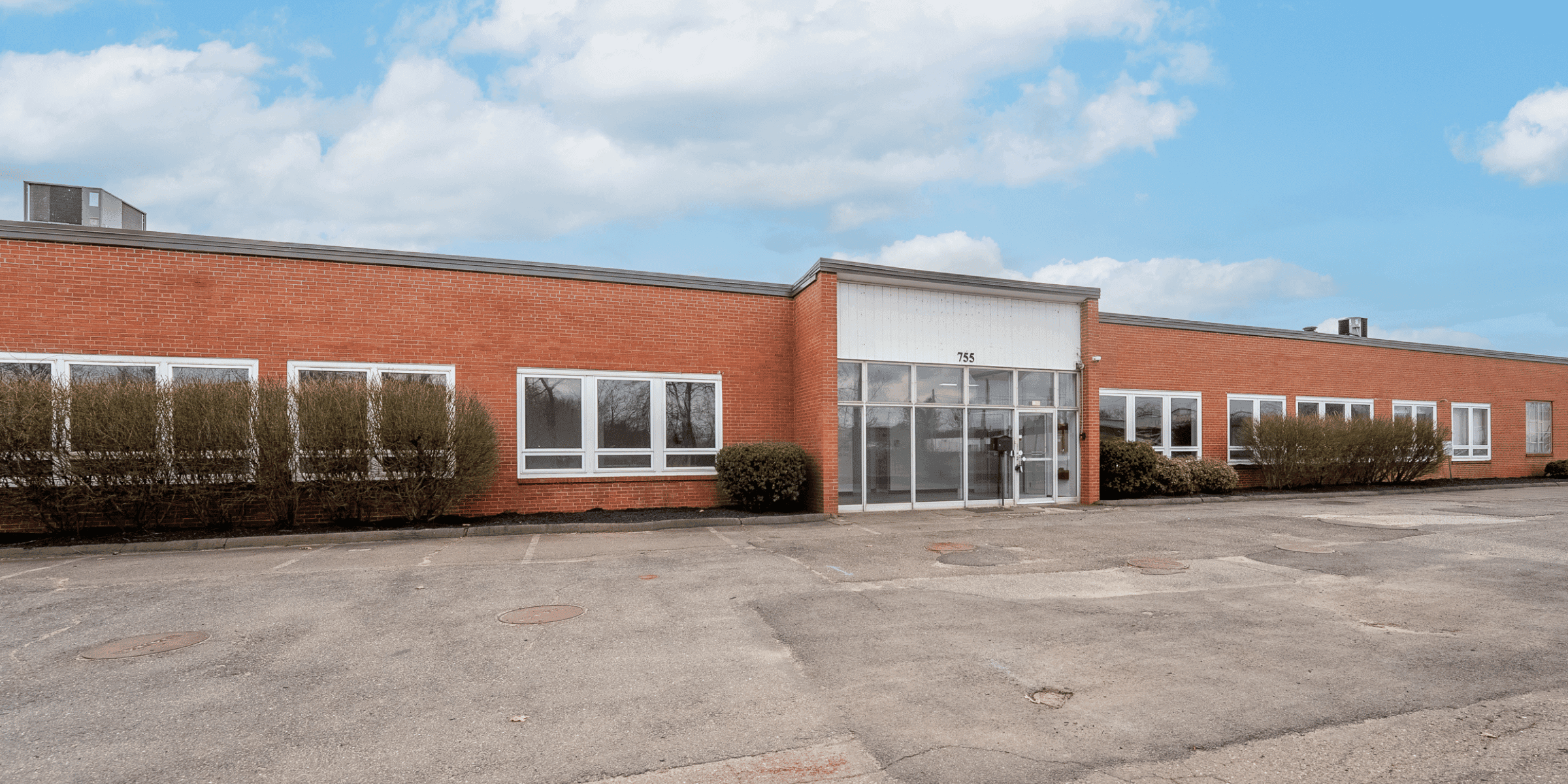
Dedicated Freight Support from Our South Hadley, MA Facility
At Snapl, our South Hadley, MA facility plays an important role in supporting dedicated freight for businesses throughout Massachusetts and the Northeast. This location is strategically positioned to help companies that need consistent freight movement across regional markets while also benefiting from warehousing and logistics support.
Our South Hadley operation is well suited for businesses looking for:
- Dedicated transportation throughout Massachusetts
- Regional freight support across New England
- Scheduled pickups and deliveries
- Freight coordination tied to warehousing and storage
- A single logistics partner for transportation and operational support
Because transportation and warehousing often go hand in hand, having a facility in South Hadley creates an advantage for customers that need more than simple point-to-point trucking. Many businesses are looking for a logistics partner that can help manage freight movement while also supporting inventory, storage, and broader supply chain coordination. That is where an integrated operation becomes especially valuable.
The Value of Combining Warehousing and Dedicated Freight
Dedicated freight becomes even more effective when it is supported by warehouse operations. Many companies do not just need freight moved. They need freight moved in coordination with inventory availability, receiving schedules, storage plans, and outbound distribution requirements.
When warehousing and transportation work together, businesses often gain:
- Faster coordination between storage and outbound movement
- Less confusion around pickup readiness
- Better inventory flow
- Improved response time for scheduled freight
- A more connected logistics strategy
At Snapl’s South Hadley, MA facility, customers can benefit from this kind of operational alignment. Instead of managing separate providers for transportation and warehouse support, businesses can work with one team that understands both sides of the process.
What to Look for in a Dedicated Freight Partner
Choosing a dedicated freight provider is about more than finding available trucks. The right partner should understand your shipping patterns, regional delivery requirements, and operational priorities.
Businesses evaluating dedicated freight providers should look for:
Regional Knowledge
A provider should understand the transportation realities of Massachusetts and the Northeast, including route planning, delivery expectations, and local operating conditions.
Consistency
The goal of dedicated freight is dependable service. A provider should be able to support repeatable performance, not just occasional capacity.
Communication
Strong communication matters in every logistics relationship. A dedicated freight provider should be responsive, organized, and clear about scheduling and service expectations.
Operational Flexibility
Business needs change. A transportation partner should be able to adapt as shipment volume, routes, and service requirements evolve.
Warehousing Compatibility
If your business also needs storage, fulfillment, or inventory management, it helps to work with a partner that can support both transportation and warehouse operations.
Dedicated Freight as a Long-Term Supply Chain Strategy
Many businesses initially view transportation as a transactional service. Over time, the most successful companies begin to treat it as a strategic function. Dedicated freight fits into that more advanced way of thinking.
Rather than reacting to each shipment as it comes up, dedicated freight allows businesses to build a more intentional transportation model. That shift can improve service, reduce operational stress, and make it easier to scale.
For growing brands, manufacturers, distributors, and retail suppliers, dedicated freight is often a practical next step toward a stronger supply chain. It brings consistency to freight movement and gives businesses greater confidence in how their products are getting from one place to another.
Why Businesses Choose Snapl for Dedicated Freight in Massachusetts
Businesses looking for dedicated freight support in Massachusetts often want more than basic transportation. They want reliability, regional coverage, and a logistics partner that understands how freight movement connects to the rest of their operation.
At Snapl, our South Hadley, MA facility helps support dedicated freight solutions for customers that need dependable transportation throughout the Northeast. Whether the goal is recurring regional delivery, scheduled freight movement, or a more coordinated relationship between warehousing and transportation, our team works to provide a solution built around the customer’s needs.
That matters because dedicated freight should not feel generic. It should feel aligned with how your business actually operates.
Dedicated Freight Creates More Control, More Consistency, and Better Service
Dedicated freight gives businesses a more dependable way to move product. It replaces uncertainty with structure and helps create a transportation model built around real operational needs. For companies that ship regularly throughout Massachusetts and the Northeast, that can lead to stronger delivery performance, better coordination, and a more resilient supply chain.
With support from our South Hadley, MA facility, Snapl helps businesses build dedicated freight solutions that support reliability, regional growth, and day-to-day operational efficiency.
Need Dedicated Freight Support in Massachusetts or the Northeast?
If your business is looking for a more reliable way to move freight, Snapl can help. Our team supports dedicated freight solutions designed around your schedule, service requirements, and regional transportation needs, with operational support from our South Hadley, MA facility.
Whether you need recurring deliveries, scheduled regional routes, or a logistics partner that can connect transportation with warehouse support, we can help you build a dedicated freight solution that fits your business.