From Storage to Shipping: Avoiding Supplement Fulfillment Mistakes


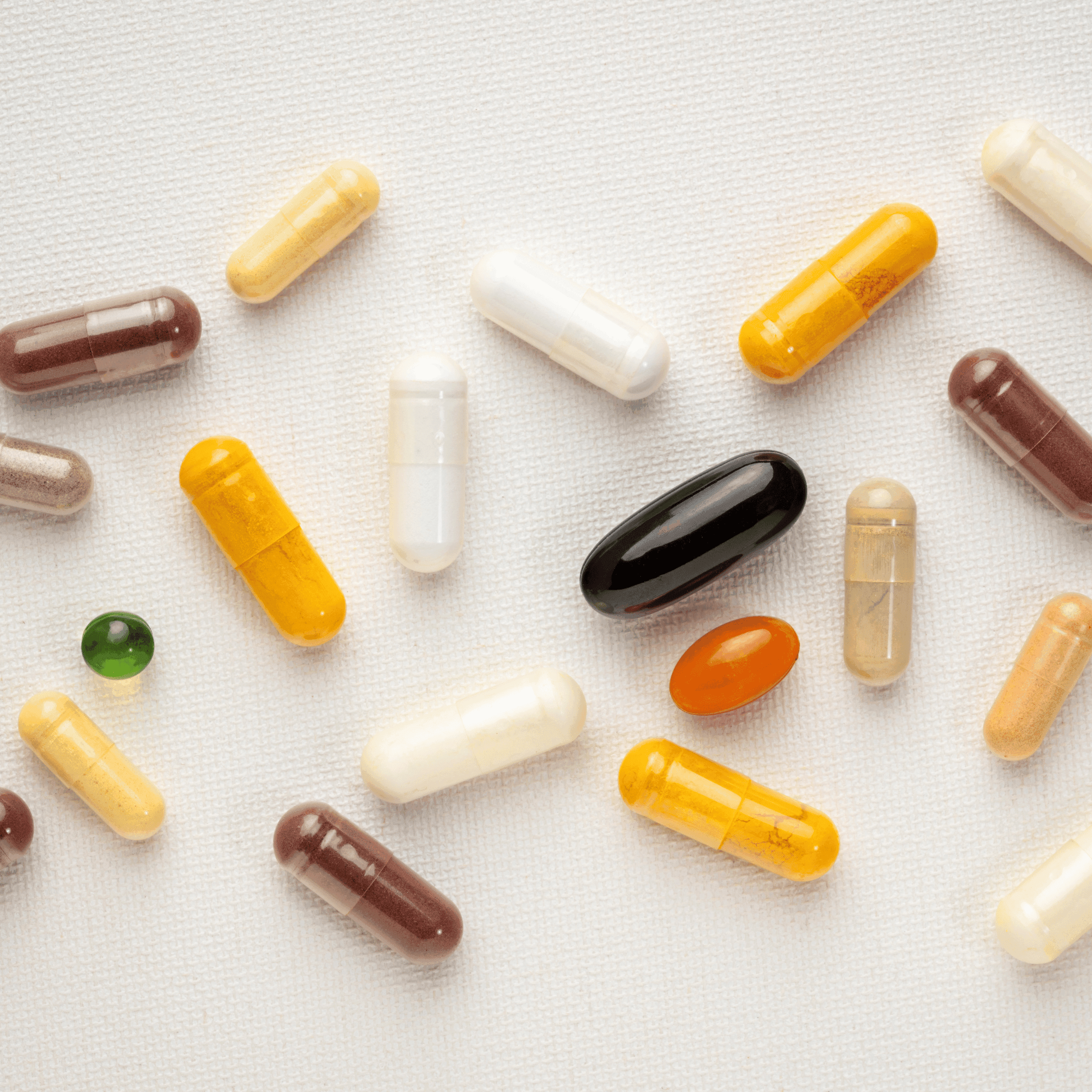
Supplement fulfillment affects more than how quickly an order leaves the warehouse. It influences product quality, inventory costs, customer satisfaction, and whether shoppers trust your brand enough to order again.
For businesses selling vitamins, capsules, gummies, powders, or liquid supplements, small warehouse mistakes can create expensive problems. A missed expiration date can lead to wasted inventory. Similar packaging can cause picking errors. Poor shipping protection can turn a repeat customer into a refund request.
Whether you manage fulfillment internally or work with a third-party logistics provider, avoiding these five common supplement fulfillment mistakes can help you protect your products and build a more dependable operation.
What Is Supplement Fulfillment?
Supplement fulfillment is the process of receiving, storing, picking, packing, and shipping dietary supplements to customers or retail partners. It also includes inventory management, lot tracking, expiration management where applicable, and handling order exceptions.
Effective dietary supplement fulfillment connects product-specific handling requirements with accurate warehouse processes. Your fulfillment plan should account for each product’s storage instructions, packaging, shelf life, and sales channels.

1. Ignoring Lot Tracking and Expiration Dates
Tracking only the total number of units available can hide important differences between batches. Two lots of the same supplement may have different expiration dates, and receiving dates alone do not tell you which lot should ship first.
Without clear lot records, your team may ship newer inventory while older stock approaches expiration. Identifying affected inventory and shipments during a recall also becomes harder.
How to avoid it:
Record the SKU, quantity, lot number, and manufacturer-provided expiration date, where used, when inventory arrives. Maintain that information through storage and order fulfillment.
For dated products, establish a first-expired, first-out (FEFO) picking process that prioritizes the earliest eligible expiration date. First-in, first-out (FIFO) prioritizes receiving order, which can produce a different result.
Set minimum remaining shelf-life rules for each sales channel, flag approaching expiration dates, and block expired or recalled lots from fulfillment. Confirm that your warehouse management system can connect shipped orders to the lots supplied.
2. Using Storage Conditions That Do Not Match the Product
Treating every supplement the same can expose products to unsuitable conditions. Storage requirements depend on the formulation, packaging, and manufacturer’s specifications.
FDA guidance explains that dietary supplements must be held under appropriate temperature, humidity, and light conditions to protect their identity, purity, strength, and composition. Holding conditions must also prevent mix-ups, contamination, and deterioration.
How to avoid it:
Create written storage and handling instructions for each SKU before sending products to a warehouse. Confirm the required temperature range, humidity conditions, light protection, and any refrigeration needs with the manufacturer.
When evaluating supplement warehousing services, ask how conditions are monitored and how exceptions are handled. Include receiving docks, staging areas, and outbound transit in the discussion, since products can encounter unsuitable conditions outside their assigned storage location.
Keep damaged or restricted inventory separate from available stock. Establish a documented review and disposition process for returned supplements before any units become eligible for resale.
3. Picking the Wrong Supplement, Size, or Variant
Supplement catalogs often contain products with nearly identical bottles and labels. Different strengths, flavors, formulas, or capsule counts may look similar during a busy picking shift.
A shopper who orders a 60-count bottle and receives a 30-count version gets an incorrect order even if the product name matches. These errors create replacement costs, additional support work, and frustration for customers who rely on consistent deliveries.
How to avoid it:
Assign a distinct SKU and barcode to every sellable variant. Use clearly labeled storage locations and separate products that are easy to confuse.
Require barcode verification against the order during fulfillment, including a final check at pack-out. Verify quantities and confirm any required lot selection through the warehouse system. Product photographs and clear descriptions can support staff training, while scanning provides an additional verification step.
Document the contents of multipacks and bundles so every component is checked. Review errors by SKU and warehouse location to identify recurring problems and correct the underlying cause.
4. Choosing Shipping Packaging Based Only on Cost
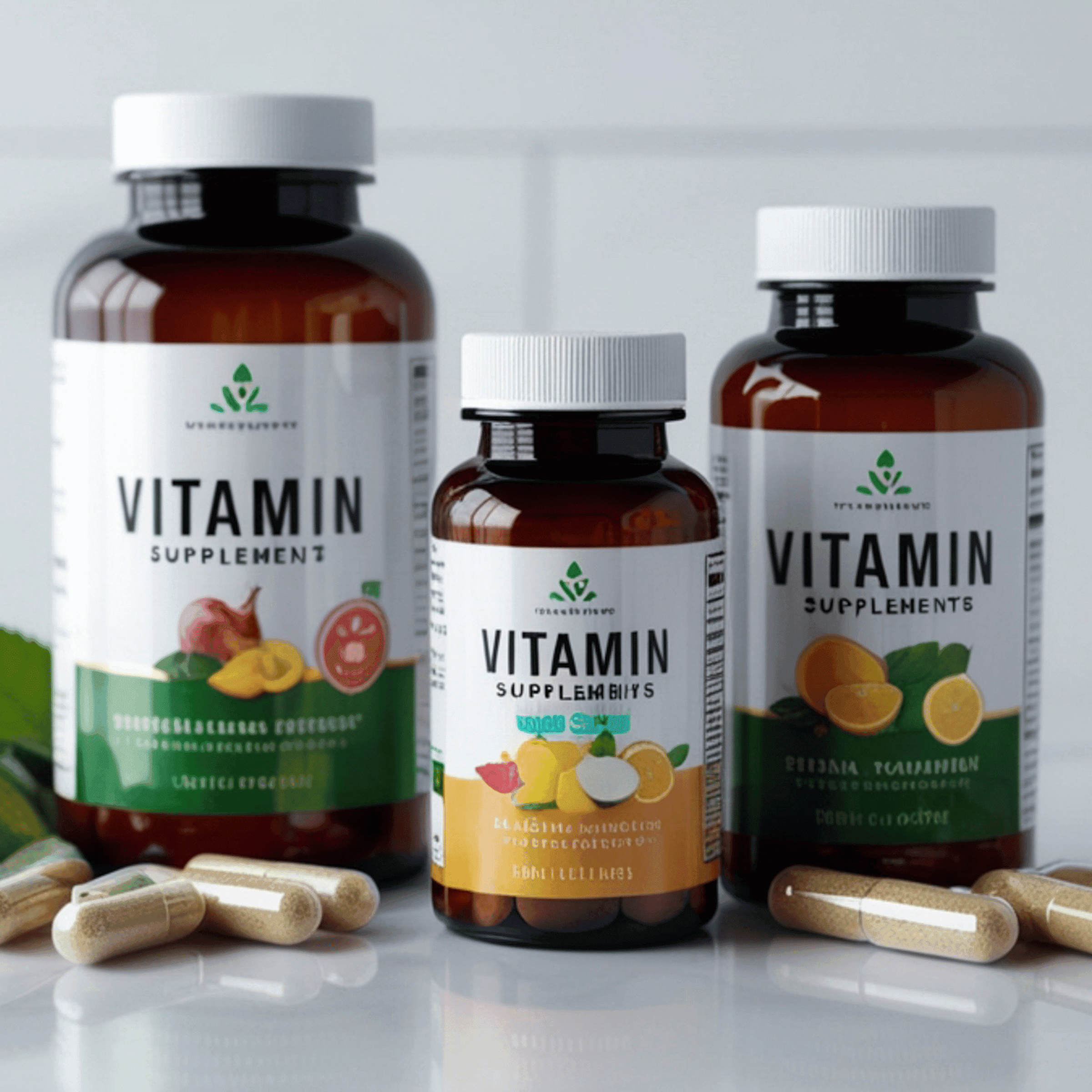
A low-cost mailer can become expensive if it leads to crushed cartons, leaking bottles, or broken glass. Oversized boxes create another problem: unnecessary materials and potentially higher shipping charges.
Supplement shipping requires packaging that matches the product’s weight, container, fragility, and transit conditions. A powder tub, glass dropper bottle, and multi-bottle bundle may each need a different packing method.
How to avoid it:
Develop a packing specification for each product type and common order combination. Define the outer packaging, cushioning, dividers, and any appropriate leak-containment materials.
Test representative shipments before adopting a new packaging method. Review damage reports and photographs to understand whether problems come from movement inside the package, inadequate protection, or another cause.
For temperature-sensitive formulations, evaluate transit time and protective packaging with the manufacturer. Select packaging based on the full cost of delivery, including materials, freight, replacements, and refunds.
5. Letting Sales Channels and Demand Outrun Inventory Planning
A promotion, subscription billing cycle, or new retail order can consume available inventory faster than expected. When sales channels do not share accurate stock information, your brand may accept orders it cannot fulfill.
Bundles add another challenge. Selling a wellness kit uses the same individual products that may also be available separately. If component inventory is not updated, your store can show kits in stock after one component has sold out.
How to avoid it:
Connect your ecommerce platforms with your fulfillment provider’s inventory system. Confirm how orders reserve stock, how quickly quantities update, and how bundles deduct their components. Keep damaged, expired, quarantined, and already allocated units out of available-to-sell quantities.
Set reorder points using sales velocity, supplier lead times, and a practical inventory buffer. Account for shelf life when deciding how much extra stock to hold.
Share launch dates, promotional forecasts, subscription schedules, and expected inbound deliveries with your 3PL. Agree on receiving timelines and fulfillment capacity before campaigns begin, then use regular cycle counts to check inventory accuracy.
What to Look for in a 3PL for Supplements
When comparing supplement fulfillment services, ask providers to explain how they would handle your actual products and order types. A useful evaluation should cover:
- Lot tracking, expiration controls, and shipment traceability.
- Storage conditions that match manufacturer requirements.
- Barcode verification and procedures for similar SKUs.
- Packaging for individual products, multipacks, and bundles.
- Inventory integration across ecommerce and retail channels.
- Processes for damaged goods, returns, and restricted inventory.
Ask for a walkthrough using a sample order and a sample lot. Seeing how the workflow operates gives you a clearer picture of whether a provider can support your requirements.
Build a More Reliable Supplement Fulfillment Process with Snapl
Avoiding fulfillment mistakes starts with clear product requirements, accurate inventory records, and consistent warehouse procedures.
Snapl provides ecommerce fulfillment, inventory management, packaging, labeling, and sales channel integrations, with temperature-controlled warehouses in New Jersey and Massachusetts. Our team works with brands to develop fulfillment workflows around their products, order requirements, and growth plans.
If you are evaluating a 3PL for supplements, discuss your storage specifications, lot and shelf-life requirements, packaging needs, and expected order volume with our team.
Contact Snapl to discuss a fulfillment solution for your supplement brand.
Frequently Asked Questions About Supplement Fulfillment
What is the difference between FIFO and FEFO?
FIFO ships inventory in the order it was received. FEFO prioritizes inventory with the earliest eligible expiration date. For supplements with expiration dates, FEFO helps align picking with remaining shelf life.
Do all supplements need refrigerated storage?
Storage requirements depend on the product. Follow the manufacturer’s specifications and labeling and confirm that your fulfillment provider can maintain the required conditions.
When should a supplement brand outsource fulfillment?
Consider outsourcing when storage, order volume, sales channel complexity, or product-handling requirements exceed your team’s capacity. Compare the complete cost of internal operations with the services and controls a qualified 3PL can provide.

Simplify Your Supplement Fulfillment Today
Contact Us